
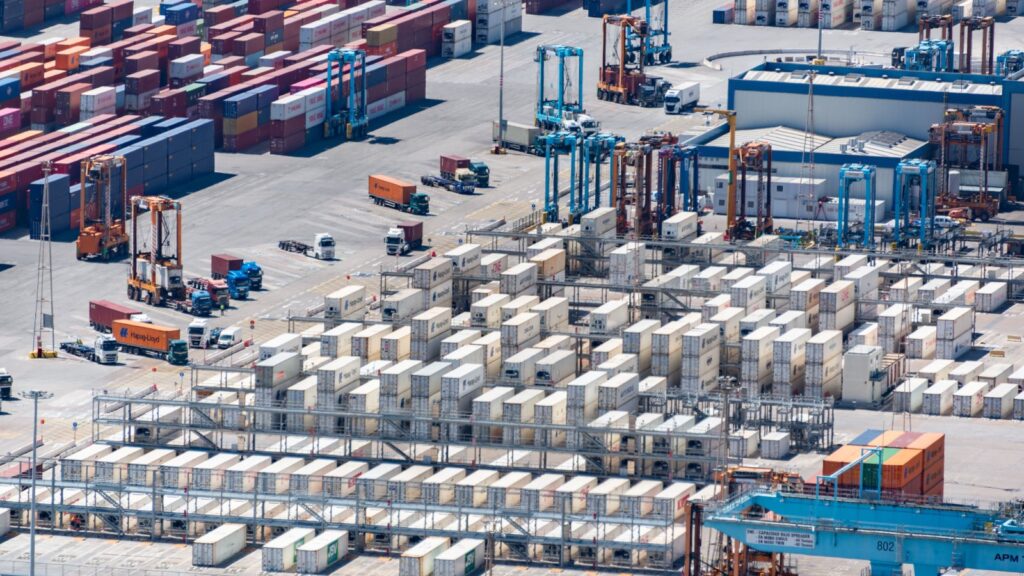
Drayage in shipping refers to the short-distance transport of freight, typically a shipping container, between a port or rail terminal and a nearby warehouse, distribution center, or transloading facility. It is the critical first or last leg of a cargo journey that connects ocean freight to the broader domestic supply network.
Table of Contents
- Why Drayage Matters More Than Most Shippers Realize
- How Drayage Actually Works
- Types of Drayage Moves
- Drayage Costs and What Drives Them
- The U.S. Drayage Market in 2025
- Things to Know
- How 3PL Warehouse By Best Supports Drayage-Connected Logistics
- Frequently Asked Questions
Why Drayage Matters More Than Most Shippers Realize
Most shippers think about ocean freight rates, carrier contracts, or last-mile delivery. Drayage, by contrast, rarely gets the attention it deserves, even though a delayed or mismanaged drayage move can hold up an entire shipment for days.
The term itself comes from the old practice of using low, flat carts called drays to haul heavy loads short distances. Today, a diesel-powered truck replaces the dray, but the concept is the same: move a container a short distance so the rest of the supply chain can function.
If you are importing goods through the Port of New York and New Jersey or the Port of Savannah, your container does not simply roll off a vessel onto a store shelf. It needs to be picked up at the marine terminal, cleared through customs if applicable, and delivered to a warehouse or distribution point. That short move is drayage, and it is non-negotiable.
Understanding supply chain management basics helps businesses appreciate why this step cannot be skipped or improvised.
How Drayage Actually Works
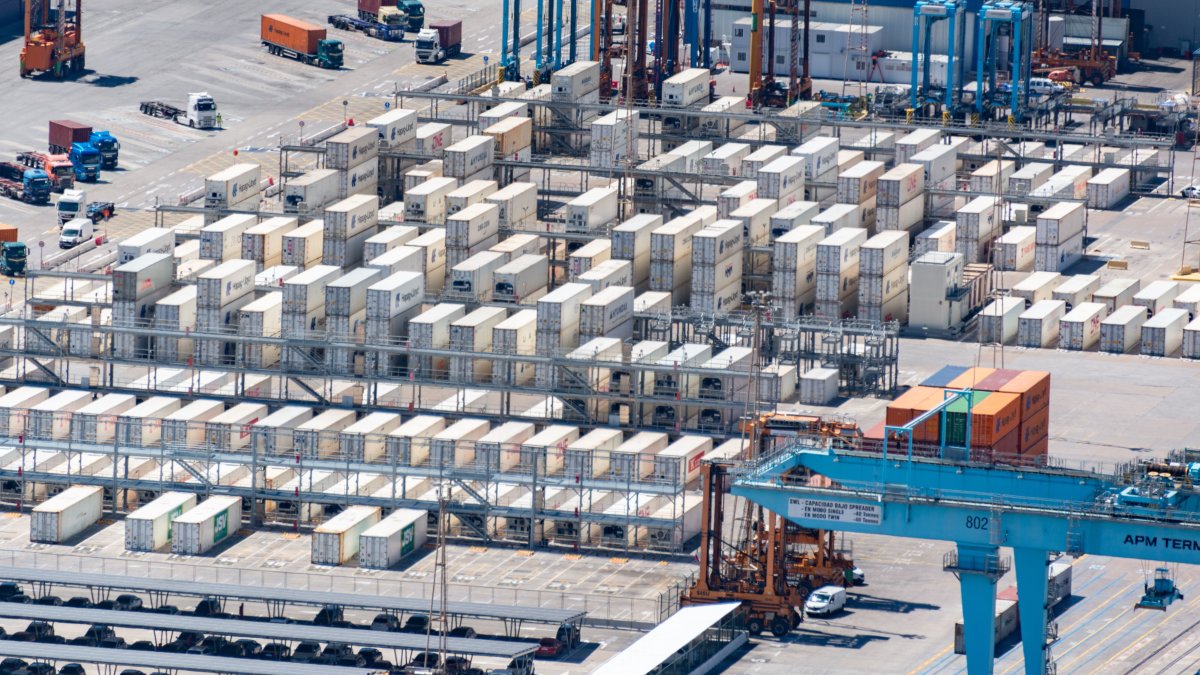
The drayage process follows a fairly consistent sequence, though specifics vary by port and carrier.
- Vessel arrival and container discharge. Your container is unloaded from the ship and staged in the port terminal’s container yard.
- Availability notification. The terminal releases the container once customs clearance and fees are settled.
- Drayage carrier pickup. A licensed dray carrier, usually a local trucking company specializing in port operations, picks up the container using a chassis.
- Short-haul transport. The driver moves the container, typically anywhere from a few miles to around 100 miles, to its destination.
- Delivery and container return. The container is dropped at the warehouse or distribution center, unloaded, and the empty container is returned to the terminal or depot.
Each step involves coordination between steamship lines, terminal operators, customs brokers, drayage carriers, and receiving facilities. A breakdown at any point creates what the industry calls a detention or demurrage charge, and those fees can escalate quickly.
Types of Drayage Moves
Not all drayage is the same. Shippers encounter several distinct move types depending on their logistics setup.
Drayage Type | Description | Common Use Case |
Port Drayage | Container moves between a seaport and a nearby facility | Imports and exports via marine terminals |
Intermodal Drayage | Container moves between a rail ramp and a warehouse | Domestic intermodal shipping |
Expedited Drayage | Time-sensitive moves with priority scheduling | Perishables, urgent commercial freight |
Pier Drayage | Short move between two points within a port complex | Container repositioning |
Shuttle Drayage | Temporary storage at an off-dock facility before final delivery | Congested ports with limited yard space |
For businesses moving goods through the Northeast, intermodal drayage connecting rail ramps to regional warehouses is especially common and cost-effective for longer domestic legs.
Drayage Costs and What Drives Them
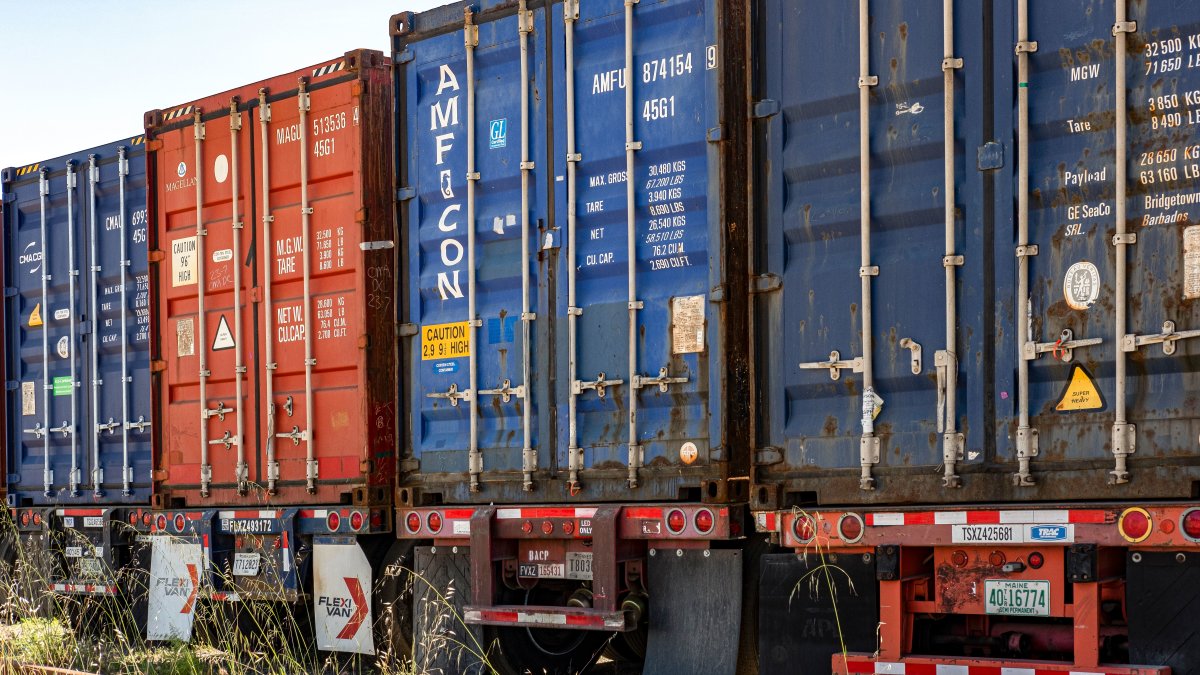
Drayage pricing is not straightforward. Unlike a standard LTL rate quote, drayage costs are influenced by a mix of factors that change frequently.
Key cost drivers include:
- Distance and zone. Most drayage pricing is based on mileage zones rather than exact distance.
- Chassis fees. Shippers often pay separately to rent the chassis that holds the container during transport.
- Port congestion surcharges. When terminals are backed up, carriers add fees to compensate for wait times.
- Fuel surcharges. Diesel price fluctuations are passed through to shippers.
- Detention and demurrage. If a container is not picked up or returned within the free time window, daily fees accumulate fast.
- Overweight and permit fees. Containers exceeding weight limits on state roads require special permits.
Applying solid inventory management best practices reduces the likelihood of containers sitting idle at a terminal, which is one of the most direct ways to control drayage-related costs.
The U.S. Drayage Market in 2025
The scale of U.S. drayage operations is substantial. According to Market Reports World (2024), over 30 million marine containers move in and out of the United States each year, and each requires at least two drayage moves. That volume alone explains the industry’s size.
According to Verified Market Reports (May 2026), the U.S. drayage market was valued at $18.7 billion in 2024 and is anticipated to grow from $20.1 billion in 2025 to $28.5 billion by 2033, with a CAGR of approximately 5.0%. North America held a 46.3% share of the global drayage market in 2025, per TrendX Insights (June 2026).
Globally, the picture is even larger. Emergen Research (June 2026) pegged the global container drayage market at $48.6 billion in 2025, with a projected revenue CAGR of 6.8% through the forecast period.
Efficiency is improving as well. According to Hub Group’s 2024 Sustainability Report (cited by Business Research Insights), optimized dispatching and load management reduced empty truck miles by 14% in intermodal and drayage operations, a meaningful gain for both cost and emissions.
The National Drayage Spot Market Index also rose 4.6% year-over-year between July 2024 and July 2025, with Northeast, Southeast, and Pacific regions each seeing increases of roughly 4 to 5%, according to Business Research Insights (March 2026). For shippers in the tri-state area, that upward pressure on spot rates is a real budget consideration.
Knowing the fulfillment center vs warehouse difference matters here because the type of receiving facility directly shapes how drayage is scheduled and executed.
Things to Know
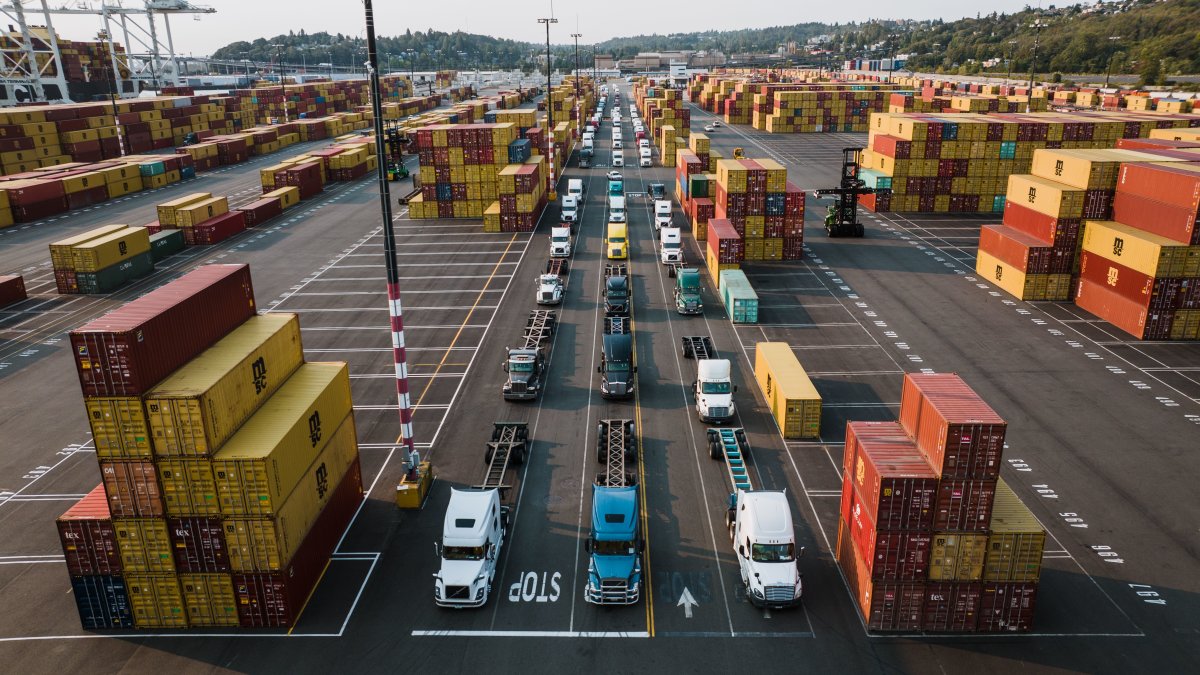
- Free time is short. Most marine terminals allow only two to four days of free container time before demurrage charges begin. Plan pickup accordingly.
- Chassis availability is a real constraint. Chassis shortages at busy ports can delay drayage pickups regardless of trucker availability.
- Drayage is regulated. Drayage drivers operating at U.S. ports must comply with Federal Motor Carrier Safety Administration (FMCSA) regulations and port-specific clean truck programs.
- Technology is reshaping dispatch. Using shipping software for small business platforms with real-time visibility tools can reduce idle time and improve drayage coordination significantly.
- Not all 3PLs handle drayage coordination. Confirm whether your logistics partner actively manages port pickup scheduling or simply receives freight after it arrives.
How 3PL Warehouse By Best Supports Drayage-Connected Logistics
Request a Free Drayage Logistics Estimate
At 3PL Warehouse By Best, we serve importers and distributors across the tri-state area, including New York, New Jersey, and Connecticut, with warehousing and fulfillment services designed to connect seamlessly with port drayage operations. Our facility supports cross-docking, bonded and FTZ warehousing for customs deferral, same-day order fulfillment, and real-time inventory tracking, all of which reduce the container hold times that drive up drayage costs.
If your freight is moving through the Port of New York and New Jersey or arriving by rail, having a receiving facility that is ready when the dray truck arrives is not a luxury. It is what keeps your supply chain moving. Contact our team today to get a free estimate tailored to your container volume and delivery schedule.
Frequently Asked Questions
Q: What is the difference between drayage and freight shipping?
Drayage is a subset of freight shipping focused specifically on short-distance container moves, usually under 100 miles, between ports, rail ramps, and nearby facilities.
Standard freight shipping covers the full transit of goods across long distances, often by truck, rail, or ocean vessel. Drayage is specifically the connector move that bridges those longer hauls to their origin or destination point.
Q: Who pays for drayage costs?
The importer or consignee typically pays drayage costs as part of their landed freight expense.
In some trade terms, such as DDP (Delivered Duty Paid), the seller covers drayage to a specified point. However, under EXW or FOB terms, responsibility shifts to the buyer once the goods leave the port of origin.
Q: How long does a drayage move typically take?
Most drayage moves are completed within one business day, though port congestion, chassis shortages, or customs holds can extend that timeline.
At major ports like Los Angeles or New York, congestion can push pickup windows out by a day or more. Building buffer time into your receiving schedule prevents downstream fulfillment disruptions.
Q: Can small businesses manage drayage on their own?
Small businesses can arrange drayage, but most benefit from working with a freight broker, customs broker, or 3PL that already has established carrier relationships at their importing port.
The coordination involved, including terminal appointments, chassis rental, and customs release timing, is complex. Third-party coordination often reduces errors and total cost.
Q: What happens if a drayage driver misses the terminal appointment?
A missed terminal appointment usually means the container stays in the terminal yard longer, which can trigger demurrage fees and delay downstream receiving.
Most ports now require advance appointment booking, and availability is not always guaranteed for rescheduling. Working with an experienced drayage carrier that monitors appointment windows closely is essential to avoiding these penalties.