
Highlights
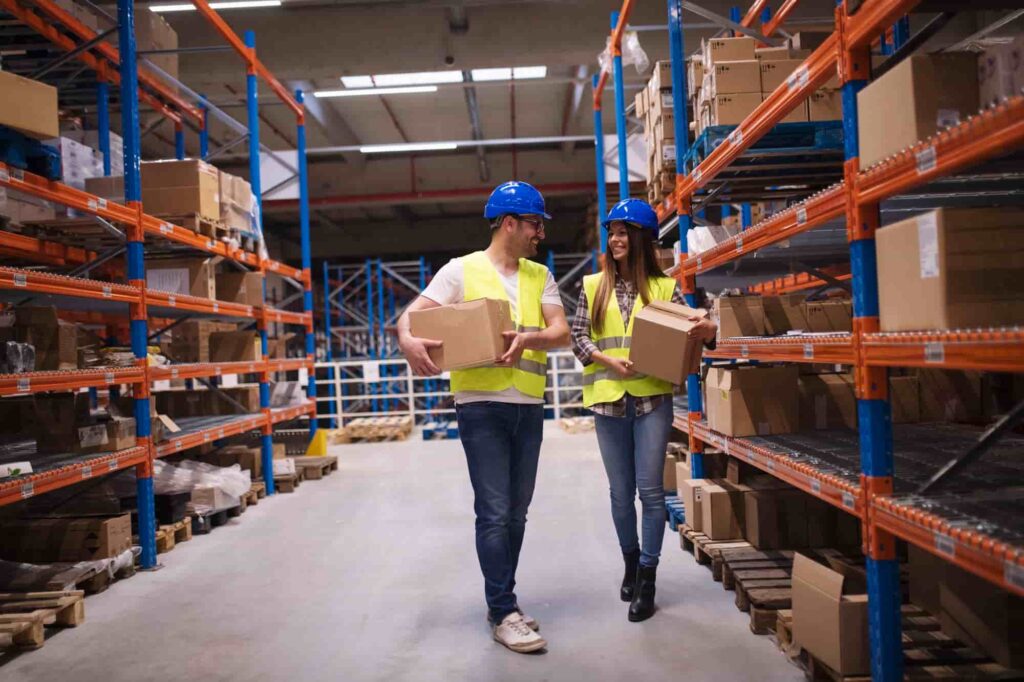
- A third-party logistics provider manages storage, fulfillment, and shipping without in-house infrastructure.
- Understanding core 3PL services helps businesses choose the right logistics support.
- Outsourcing logistics can reduce errors and control costs as demand grows.
- Location, technology, and flexibility affect 3PL performance.
- A local-based 3PL can support faster and more efficient distribution.
Overview
Many growing businesses hit logistics problems early. Inventory builds up, shipping gets expensive, mistakes happen, and teams get overwhelmed. That is when a third-party logistics provider (3PL) can help.
A 3PL is an outsourced partner that handles some or all logistics tasks, like storage, fulfillment, and shipping. Because 3PL services vary, it helps to understand what a full-service provider typically offers.
Here are six main 3PL services and how businesses, especially those shipping in and around New York, NY, can use them to run smoother operations.
What Is a 3PL?
A third-party logistics provider (3PL) is a company that handles logistics functions on behalf of another business. These functions typically include warehousing, inventory management, order fulfillment, transportation, and returns.
Instead of owning warehouses, hiring fulfillment staff, and negotiating shipping contracts, businesses outsource these responsibilities to a 3PL with the infrastructure and expertise already in place.
For companies selling direct-to-consumer (DTC), wholesale, or omnichannel, a 3PL is often the difference between scalable growth and operational chaos.
6 Essential Services Offered by 3PL Providers

1. Warehousing And Storage
Warehousing and storage are core 3PL services that give businesses secure, professionally managed space to hold inventory without operating their own facility. In New York, NY, this is often used to reduce space constraints, keep products organized, and support faster delivery across the five boroughs and nearby metro areas.
- Secure storage: A 3PL warehouse uses controlled access, monitored facilities, and standard handling to reduce loss, shrinkage, and product damage.
- Flexible capacity: With a 3PL, storage space can scale with seasonality, sales spikes, or new product launches without long lease commitments.
- Strategic positioning: A 3PL facility in the right area supports faster delivery windows, smoother distribution planning, and more consistent shipping performance for nearby customers.
2. Inventory Management And Control
Inventory management keeps stock accurate, visible, and easy to move through the warehouse. A 3PL supports this with warehouse systems, defined workflows, and consistent reporting so inventory stays dependable for fulfillment decisions.
- Real-time inventory tracking: A 3PL can provide up-to-date stock visibility that supports smarter purchasing, reduces overselling, and helps keep best-sellers in stock. Real-time tracking is now standard across many providers, with more than 70% of 3PL shipments traceable in real time using GPS and IoT-enabled devices, and predictive analytics increasingly used to anticipate demand and replenishment needs.
- Organized SKU handling: Clear labeling, barcodes, and assigned storage locations are standard in 3PL warehouse operations, helping teams locate and pick the correct items quickly.
- Inventory accuracy checks: Most 3PL operations include routine cycle counts and audits to catch discrepancies early and keep inventory records reliable.
3. Order Fulfillment
Order fulfillment is handled through 3PL operations, allowing businesses to ship orders consistently without building an in-house shipping setup. It becomes especially useful as order volume grows, new sales channels are added, or faster turnaround times are required.
- Order processing and picking: Order fulfillment starts with pulling the correct items based on order details, including product type, quantity, and any special handling notes.
- Packing and labeling: Order fulfillment from a 3PL includes choosing the right packaging, adding shipping labels, and protecting items to reduce damage during transit.
- Fast order shipping: Structured 3PL workflows and carrier coordination help orders leave the warehouse faster during both normal volume and peak seasons.
4. Transportation And Shipping Management
Transportation and shipping management are handled through 3PL coordination to keep deliveries efficient while maintaining cost control. Structured shipping strategies help match the right carrier and service level to each order type and delivery requirement.
- Carrier selection: Carrier options are evaluated within 3PL networks based on transit time, coverage area, package size, service reliability, and overall cost.
- Freight coordination: Parcel shipments and larger freight moves, including LTL and full truckloads, are scheduled and managed through established 3PL carrier relationships.
- Shipment tracking: Tracking tools used by 3PL providers supply delivery updates and status visibility so delays can be identified and addressed quickly.
5. Receiving And Inbound Logistics
Receiving and inbound logistics manage how inventory enters the warehouse and becomes available for fulfillment. Within a 3PL operation, this stage prevents discrepancies early and keeps stock records accurate from the start.
- Inbound shipment receiving: Deliveries are verified against purchase orders using 3PL receiving workflows to confirm quantities, SKUs, and shipment details upon arrival.
- Product inspection: Items are checked during intake for visible damage, labeling errors, or quality concerns before being released into active inventory.
- Proper inventory putaway: Products are stored according to 3PL location systems so inventory remains organized, traceable, and easy to pick.
6. Returns Management And Reverse Logistics
Returns management handles products sent back by customers or retail partners. Through structured 3PL processes, returned inventory is evaluated, routed correctly, and reflected accurately in system records.
- Return receiving and review: Returned items are logged and assessed under 3PL procedures to document conditions and confirm next steps.
- Restocking and processing: Products move through defined 3PL disposition paths for resale, refurbishment, quarantine, or disposal based on condition and policy.
- Returns reporting: Reporting generated through 3PL systems tracks return reasons, identifies recurring issues, and supports operational improvements.
Who Should Use a 3PL?
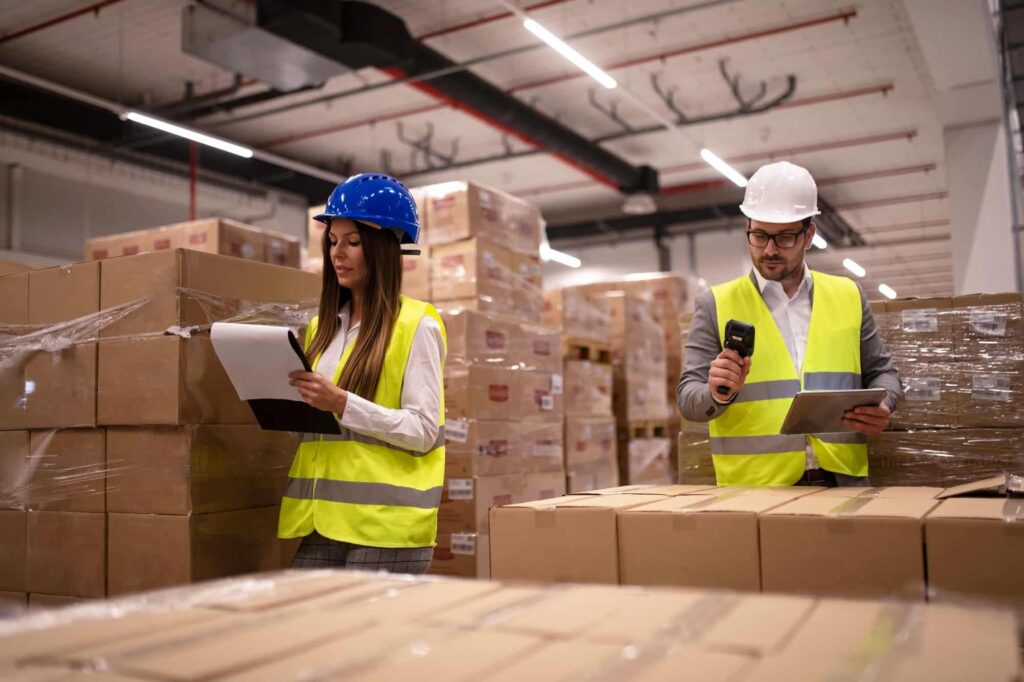
3PL services are not limited to large enterprises. They are commonly used by:
- eCommerce brands scaling order volume
- B2B and wholesale distributors
- Importers and exporters
- Subscription box companies
- Retailers expanding into omnichannel sales
- Businesses operating in space-constrained markets like New York, NY
Choosing the Right 3PL Partner
Not all 3PLs offer the same level of service or specialization. When evaluating providers, businesses should consider:
- Range of services offered
- Technology and system integrations
- Experience with your industry or sales channels
- Scalability and flexibility
- Transparency in pricing and reporting
- Proximity to customers and carriers
Frequently Asked Questions (FAQs)
What is the primary role of a third-party logistics provider?
The primary role of a third-party logistics provider is to support business operations by handling logistics tasks that would otherwise require internal resources, infrastructure, and specialized expertise. A 3PL helps streamline supply chain activities so businesses can stay focused on growth and core operations.
What are the common 3PL challenges?
Common 3PL challenges include limited visibility into operations, communication gaps, service mismatches, and adapting to changing business needs. These challenges often depend on how well the provider aligns with the business’s processes and expectations.
What are the five logistics strategies?
The five logistics strategies generally focus on cost efficiency, speed, flexibility, reliability, and scalability. These strategies help businesses manage inventory flow, transportation decisions, and customer demand more effectively.
How does a 3PL support business scalability?
A 3PL supports scalability by providing flexible resources, labor, and space that can adjust as order volumes change. This allows businesses to grow or slow down without making long-term operational commitments.
When should a business consider using a 3PL?
A business should consider using a 3PL when logistics tasks begin to limit efficiency, increase costs, or distract internal teams from core responsibilities. This often happens during growth phases, market expansion, or increased order volume.
Improve Logistics Operations With a Trusted 3PL Partner in New York, NY
Businesses looking to strengthen logistics performance can benefit from working with an experienced provider that understands storage, fulfillment, and distribution demands in New York, NY. 3PL Warehouse By Best supports growing operations with dependable logistics services designed to reduce operational strain, improve order accuracy, and support long-term scalability.
Connect with 3PL Warehouse by Best today to discuss logistics needs and explore practical solutions.