
Quick Facts
- 3PL helps businesses outsource logistics so they can operate more efficiently.
- A 3PL can manage storage, fulfillment, shipping, and returns.
- Working with a 3PL can improve flexibility, speed, and cost control.
- Businesses often turn to 3PL when order volume becomes harder to manage in-house.
- Choosing the right 3PL depends on your business needs, systems, and growth plans.
What's In This Guide
Businesses today are under constant pressure to deliver faster, operate leaner, and meet rising customer expectations without overextending their resources. As operations grow more complex, managing logistics internally can quickly become inefficient and difficult to scale. Many companies are now exploring smarter ways to handle storage, fulfillment, and shipping without taking on additional overhead.
One approach gaining widespread adoption is outsourcing logistics to specialized partners who can manage these processes more efficiently. This shift allows businesses to stay competitive while focusing on growth and customer experience.
If you’ve come across the term but are not quite sure what it involves or how it works, here’s a clear beginner’s guide to 3PL and how it supports modern business operations.
3PL Meaning: What Is a 3rd Party Logistics Provider (3PL)?
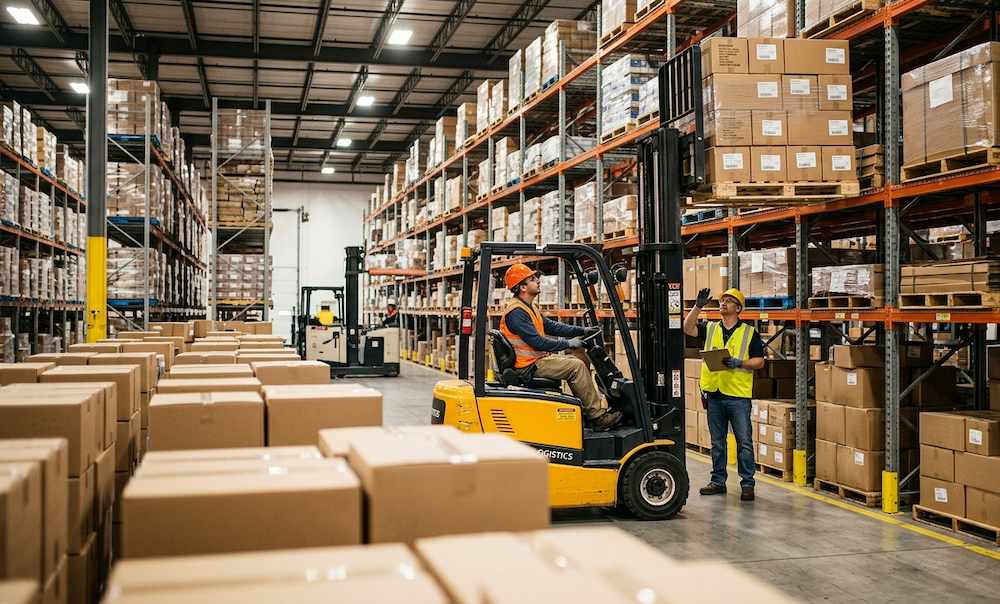
Third-party logistics, or 3PL, is when a business outsources logistics tasks like warehousing, inventory management, order fulfillment, and shipping to a specialized provider. Instead of handling storage and delivery in-house, companies rely on a 3PL partner to manage these operations efficiently, reduce overhead, and support growth.
What Does a 3PL Do?
A 3PL provider manages the entire fulfillment process, from receiving inventory to delivering orders to customers. These services are designed to streamline operations and improve efficiency across the supply chain.
| Function | What It Includes |
| Receiving | Accepts inbound shipments, verifies quantities against purchase orders, and organizes inventory for storage |
| Warehousing & Storage | Stores products in organized warehouse locations, including specialized environments if needed |
| Inventory Management | Tracks stock levels in real time using warehouse management systems (WMS) to prevent shortages or overstock |
| Order Processing | Receives and processes orders from e-commerce platforms or retail systems through system integrations |
| Picking & Packing | Retrieves items from storage, packs them securely, and prepares them for shipment based on order requirements |
| Shipping | Coordinates carriers, prints shipping labels, and manages delivery while optimizing costs and transit times |
| Returns Processing | Handles returned items, inspects condition, restocks inventory, and manages reverse logistics |
| Distributed Inventory | Stores products across multiple warehouse locations to reduce shipping times and costs |
How 3PL Warehouses Work
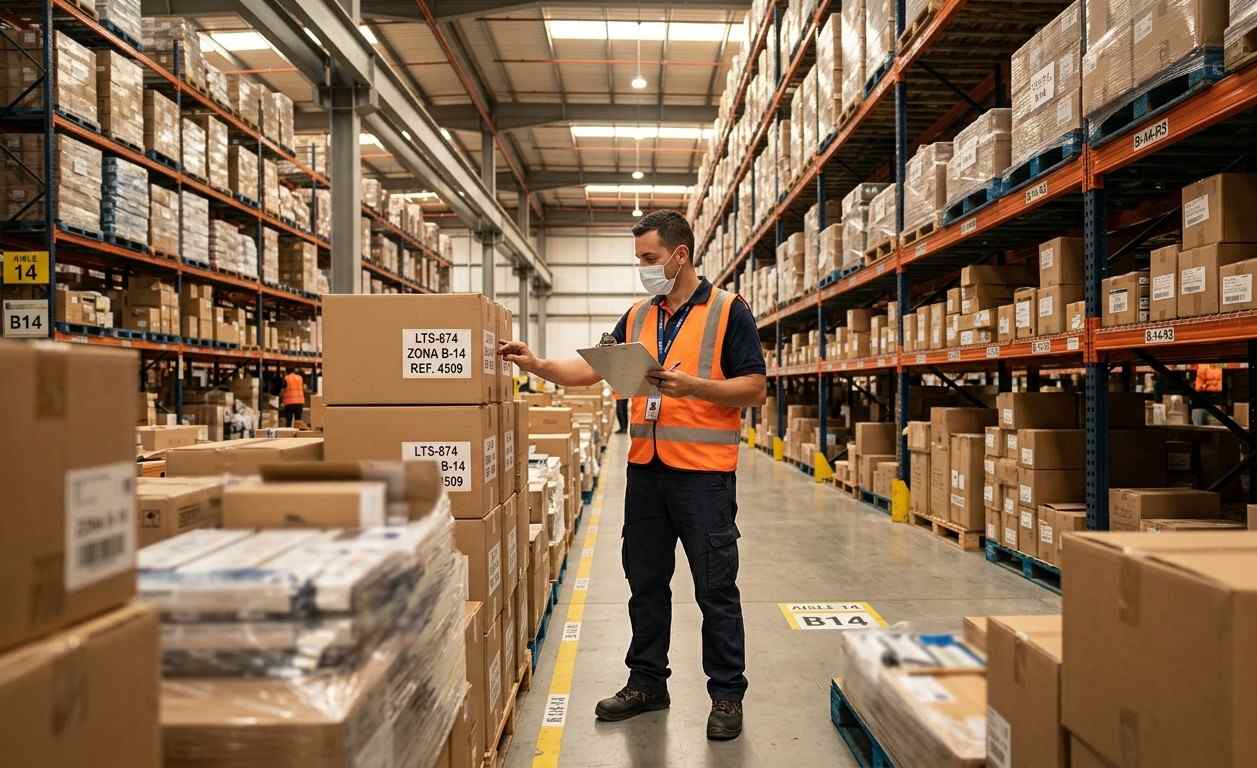
A 3PL warehouse, also known as a fulfillment center, follows a structured process that helps businesses move products efficiently from storage to delivery.
Step 1: Inventory Intake
Products arrive at the warehouse and are checked against purchase orders to confirm quantities, condition, and shipment accuracy before being entered into the system.
Step 2: Storage and Organization
Once received, items are placed in assigned storage locations based on product type, demand, and handling requirements to keep inventory organized and accessible.
Step 3: Order Transmission
When a customer places an order, the order details are sent directly to the 3PL’s system so fulfillment can begin without delay.
Step 4: Picking, Packing, and Shipping
Warehouse staff retrieve the ordered items, verify accuracy, pack them according to requirements, and prepare them for carrier pickup and delivery.
Step 5: Tracking and Returns
After shipment, tracking information is updated for visibility, and any returned items are inspected, processed, and either restocked or set aside as needed.
Benefits of Using a 3PL
Working with a 3PL can help businesses improve supply chain performance, adapt to market changes, and stay competitive as operations grow.
- Cost Efficiency
- Scalability
- Improved Efficiency
- Better Focus on Core Business
- Greater Supply Chain Flexibility
- Access to Logistics Expertise
When Should a Business Use a 3PL?
A business may benefit from a 3PL when logistics start becoming harder to manage internally or begin slowing down growth.
- Running out of storage space
- Struggling to keep up with packing and shipping
- Managing a growing order volume
- Expanding into new markets or regions
- Spending too much time on fulfillment tasks
- Needing more flexibility to support business growth
- Looking to improve delivery speed and operational efficiency
How to Choose the Right 3rd Party Logistics Provider
Step 1: Assess Your Business Needs
Start by understanding your order volume, product requirements, and target markets.
Step 2: Evaluate Technology & Integration
Look for providers that integrate with your existing systems. Real-time inventory tracking and order syncing are essential.
Step 3: Review Warehouse Locations
Proximity to your customers can significantly reduce shipping times and costs.
Step 4: Check Scalability
Ensure the provider can handle your growth, especially during peak seasons.
Step 5: Compare Pricing & Contracts
Transparent pricing helps avoid unexpected costs. Review storage fees, fulfillment rates, and shipping charges carefully.
Step 6: Look for Industry Experience
A provider with experience in your industry will better understand your specific logistics challenges.
Common Challenges of 3PL
Working with a 3PL can improve operations, but businesses should still be aware of a few common challenges.
- Reduced direct oversight
- System integration issue
- Unclear pricing or hidden fee
- Communication gap
- Service quality inconsistencies
- Limited flexibility with certain providers
3PL vs. 4PL: What’s the Difference?
A 3PL focuses on carrying out logistics functions such as transportation, warehousing, distribution, and freight-related services. In contrast, a 4PL takes a broader role by overseeing the entire supply chain, including strategy, coordination, and management of multiple logistics partners.
Put simply, a 3PL helps execute logistics operations, while a 4PL helps manage and optimizethe full logistics network. For many businesses, a 3PL is the more practical choice when they need hands-on support with fulfillment and shipping rather than end-to-end supply chain oversight.
Frequently Asked Questions
Setting up a 3PL typically takes a few days to a few weeks, depending on the complexity of your operations. This includes onboarding, system integration, and sending initial inventory. Simpler setups with fewer SKUs can move faster. More complex businesses may require additional time for testing and coordination.
You do not lose control, but you shift operational responsibility to a partner. Most providers offer tracking tools and reporting so you can monitor performance in real time. Clear communication and defined expectations help maintain visibility. The right setup keeps you informed without managing daily logistics tasks.
Yes, most 3PL providers are built to handle fluctuations in order volume. They can scale labor and space based on demand, especially during peak seasons. This helps businesses avoid delays and fulfillment bottlenecks. It also removes the need to hire temporary staff internally.
A 3PL can be a strong option for small businesses that are growing or experiencing fulfillment challenges. It allows them to access professional logistics services without large upfront investments. This can help improve delivery speed and customer satisfaction early on. It also supports long-term scalability.
Most 3PL providers can handle a wide range of products, including consumer goods, apparel, electronics, and packaged items. Some also support specialized storage such as temperature-controlled environments. It is important to confirm handling requirements before choosing a provider. Not all warehouses are suited for every product type.
Streamline Your Logistics and Scale with Confidence
Understanding what 3PL is and how it works can change how you approach growth. By outsourcing logistics to a trusted partner, businesses can reduce costs, improve efficiency, and focus on what drives revenue.
If you are ready to simplify your operations in New York, NY, and scale more effectively, working with an experienced provider like 3PL Warehouse By Best can help you build a more efficient and reliable supply chain.