

Table of Contents
Key Takeaways
✔ Heavy hauling refers to the specialized transport of oversized or overweight freight that requires advanced equipment, permits, and expertise.
✔ Warehouses often struggle with tight space, inconsistent deliveries, equipment limitations, and the complexities of handling oversized or industrial materials.
✔ Core warehouse operations rely on efficient receiving, storage, material handling, packing, distribution, and equipment management.
✔ Heavy haul trucking strengthens warehouse performance by ensuring oversized materials, machinery, and essential equipment arrive safely and on schedule.
Every warehouse in New York depends on steady access to oversized equipment, industrial materials, and specialized machinery—and heavy haul trucking is what makes that possible.
With e-commerce driving a major surge in freight and package deliveries across New York City, moving non-standard freight safely and efficiently has become more important than ever.
In a fast-moving, highly regulated logistics environment like New York, the ability to transport large or heavy items directly affects warehouse productivity, safety, and overall supply chain stability.
Heavy haul services aren’t a niche option—they’re a core part of keeping expansions, repairs, and essential shipments on schedule for warehouses statewide.
What Is Heavy Hauling?
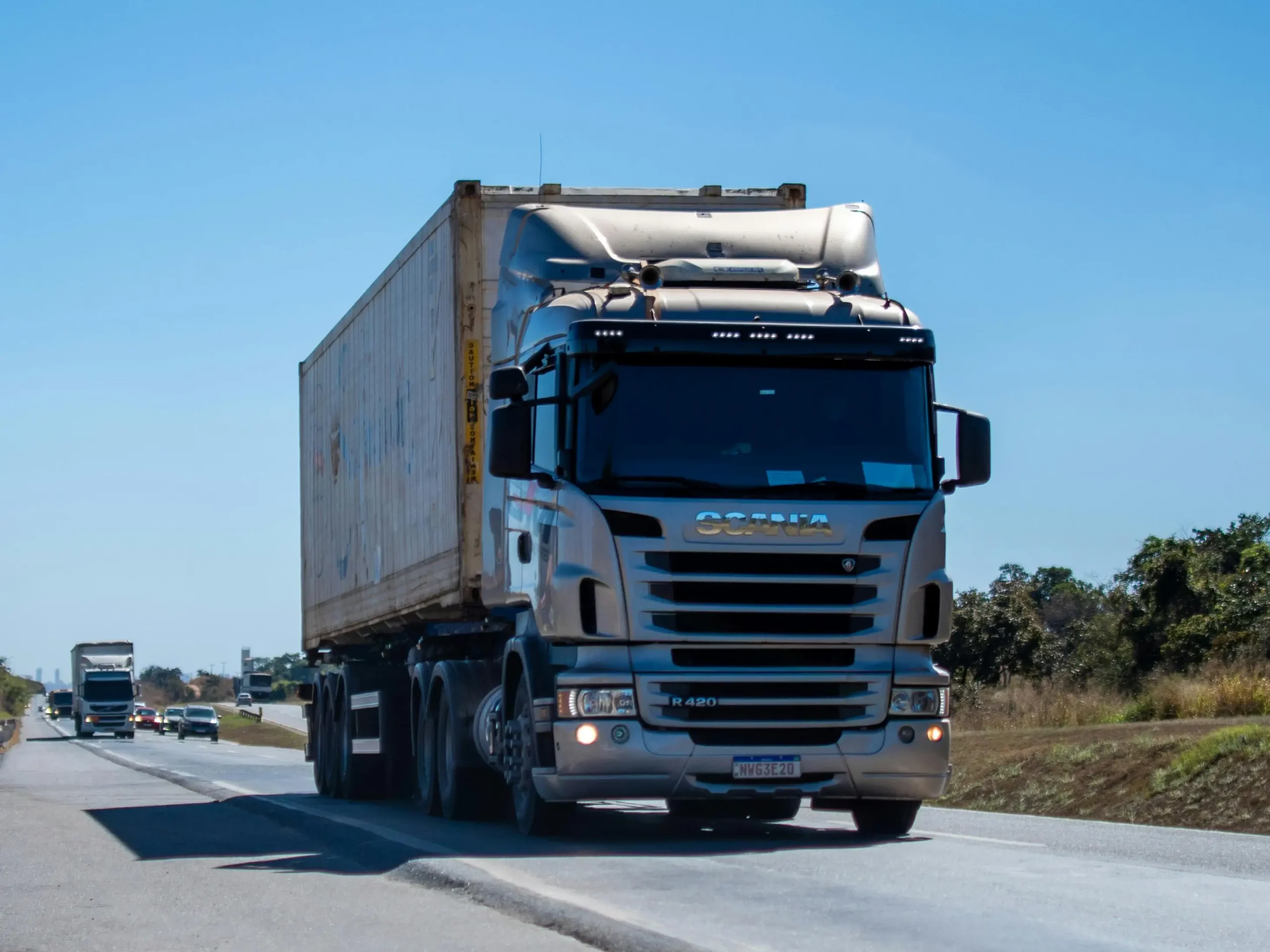
Heavy hauling involves the transportation of oversized or overweight loads that exceed standard height, width, length, or weight limits. These shipments often include industrial machinery, construction materials, structural steel, turbines, generators, or other components that cannot be moved using traditional trucking methods.
This type of transport requires specialized equipment such as lowboy trailers, multi-axle configurations, extendable flatbeds, and escort vehicles. Operators must be trained in New York State routing regulations, NYSDOT permitting, bridge and tunnel restrictions, and safe load securement practices.
Because of this advanced expertise, heavy haul trucking remains an essential resource for every warehouse in New York that relies on oversized materials or machinery.
It’s a complex and highly technical discipline—one that blends engineering, logistics, intelligence, regulatory knowledge, and safety-driven execution.
What Challenges Do Warehouses Commonly Face?
Operating a warehouse in New York comes with several challenges, particularly when dealing with specialized or industrial goods. Common issues include:
- Inconsistent inbound delivery timing caused by port traffic or construction-related delays
- Limited space for maneuvering or storage, making precise scheduling essential
- Handling oversized inventory, which requires forklifts, cranes, or custom equipment
- Equipment breakdowns that can slow or halt operations
- Stricter timelines in manufacturing, construction, and the ecommerce sectors
When a warehouse depends on machinery, raw materials, or replacement parts that cannot be transported on standard trucks, heavy haul services become indispensable. Without them, entire operational workflows may experience bottlenecks or unexpected downtime.

What Are the Core Functions Carried Out in Warehouse Operations?
A warehouse in New York is a highly coordinated environment built around several core functions:
1. Receiving
Each inbound shipment must be verified, unloaded, and processed efficiently. When oversized materials or industrial components arrive, heavy haul trucking ensures these shipments are handled safely and on schedule.
2. Storage & Inventory Management
Warehouses store everything from palletized goods to massive machinery. Proper slotting, climate control, and specialized handling equipment are essential.
3. Material Handling
Forklifts, pallet jacks, conveyors, reach trucks, and occasionally cranes keep materials flowing through the building. Many of these systems are delivered or relocated through heavy haul carriers.
4. Order Picking & Packing
Inventory must be located, retrieved, and prepared for distribution. Even minor equipment delays can disrupt this process.
5. Distribution
The final stage involves loading outbound shipments and coordinating carrier schedules. Accuracy and timing are crucial to meeting customer expectations.
6. Equipment Installation & Replacement
When a warehouse needs new racking, conveyors, palletizers, or heavy machinery, heavy haul trucking is often required to deliver these oversized assets.
These functions work best when supported by reliable inbound and outbound logistics—something heavy haul transport directly influences.
How Heavy Haul Trucking Supports Warehouse Operations in New York
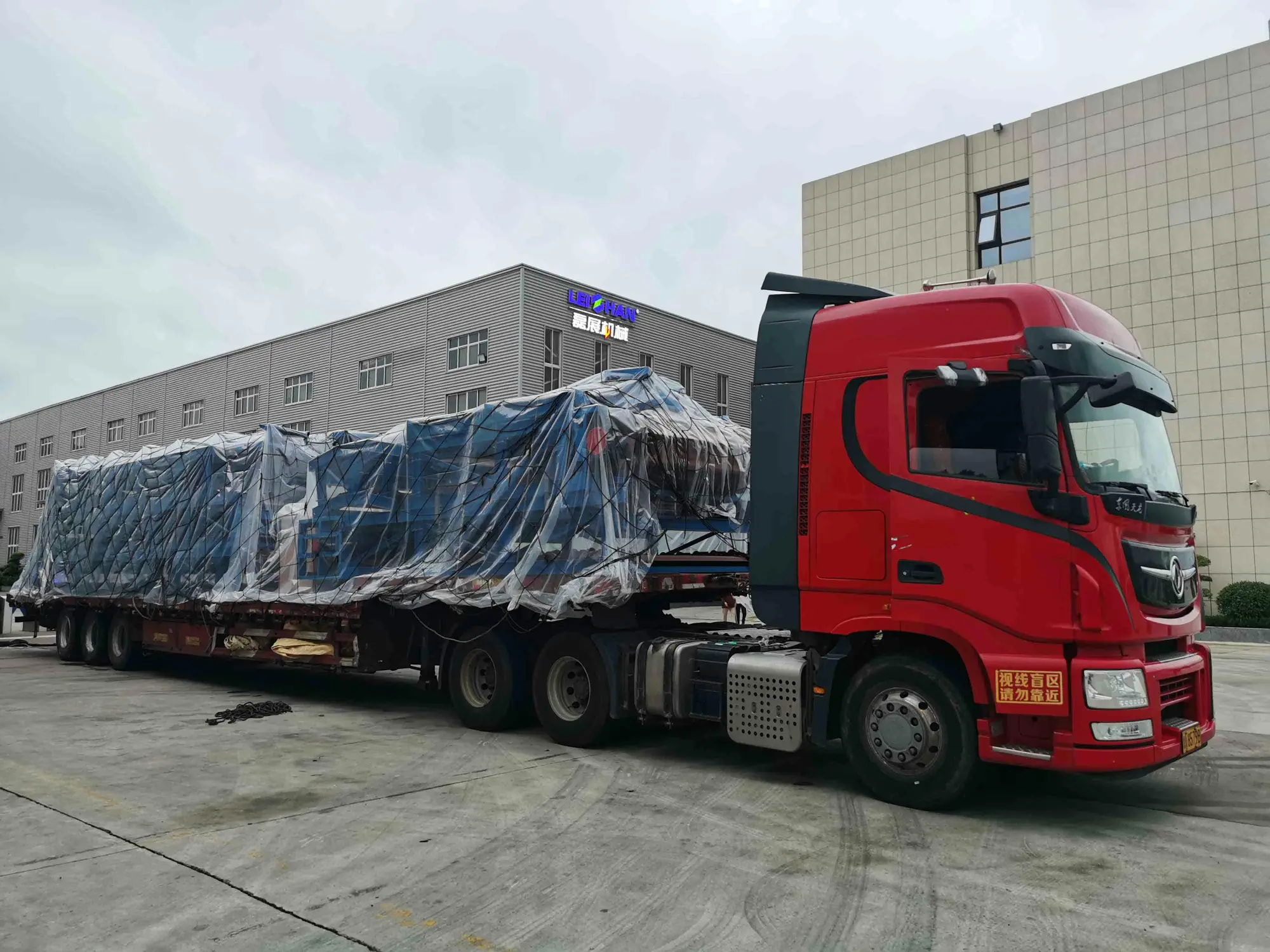
Heavy haul services play a vital role in streamlining the operations of any warehouse in New York, especially those supporting industrial, construction, or manufacturing supply chains.
1. Delivering Large-Scale Materials
Heavy haul carriers transport steel beams, oversized machinery, prefabricated concrete, industrial equipment, and other non-standard items. These materials are essential for:
Warehouse expansions
Manufacturing operations
Assembly processes
Job-site staging and distribution
Accurate timing ensures that the warehouse receives the exact materials required to support ongoing workflows.
2. Ensuring On-Schedule Delivery
Time is a critical factor in warehouse planning. Heavy haul operators understand routing restrictions, regulatory requirements, and loading protocols, which allows them to:
Maintain on-time delivery
Reduce production slowdowns
Minimize storage congestion
Protect inventory flow
This precision helps ensure that equipment, raw materials, and industrial shipments arrive at the right moment for operational continuity.
3. Supporting Manufacturing & Construction Supply Chains
Many warehouses act as staging points for power-generation components, construction materials, drilling equipment, and other industrial assets. These items are impossible to deliver without heavy haul trucking, making it an essential part of the supply chain.
This support keeps industries across New York functioning efficiently—from large development projects to specialized manufacturing facilities.
4. Providing Equipment Warehouses Need to Operate
A warehouse’s own tools and machinery often require heavy haul delivery, including:
Forklifts
Cranes
Conveyor systems
Racking structures
Automated storage technology
When a facility upgrades equipment or installs new systems, heavy haul carriers ensure these oversized items reach the site safely.
5. Strengthening End-to-End Logistics
By connecting suppliers to distribution centers—and warehouses to manufacturing hubs—heavy haul services help create a seamless statewide logistics network. This is especially important for a warehouse in New York, where timing constraints and tight infrastructure require dependable coordination.
Frequently Asked Questions
How does heavy haul trucking help warehouses prepare for seasonal demand?
Heavy haul trucking allows warehouses to secure oversized equipment and materials before peak seasons begin. This ensures that enough machinery, racking, or industrial components are available to handle higher inventory volumes. By planning ahead with specialized transport, facilities avoid delays that often occur during seasonal rushes and unpredictable demand spikes.
What types of industries benefit most from heavy haul support near warehouse facilities?
Industries such as manufacturing, construction, energy, and large-scale fabrication rely heavily on oversized equipment and materials. These sectors often require machinery or components that standard trucks cannot manage. Heavy haul trucking ensures these industries receive essential items on time, allowing warehouse operations to support a broader range of commercial needs.
How does weather impact heavy haul deliveries to New York warehouses?
Severe weather can affect scheduling, routing, and loading procedures for oversized shipments. Professional carriers monitor road conditions, traffic changes, and safety risks to prevent disruptions. This proactive approach helps warehouses maintain steady operations even during unpredictable weather patterns.
Why is proper route planning so important for oversized deliveries?
New York has numerous bridges, tunnels, and restricted-access roads that require careful mapping for oversized loads. Heavy haul carriers evaluate height clearances, weight limits, and traffic patterns before transporting any freight. This level of planning prevents costly delays and ensures safe, efficient movement into warehouse locations.
What safety measures are used when bringing oversized equipment into a warehouse site?
Operators rely on trained spotters, lift equipment, and strict safety protocols to manage oversized materials. Barriers, marked pathways, and controlled access points reduce risks during unloading. These measures protect both workers and the equipment being transported.
Maximize Warehouse Performance With a High-Capacity Partner in New York, NY!
3PL Warehouse By Best delivers dependable, high-efficiency logistics solutions across New York, NY, helping businesses maintain stronger inventory control, faster order movement, and consistent operational stability. With a fully equipped warehouse network in New York, NY, our team handles storage, packing, cross-docking, and distribution with accuracy and discipline, reducing downtime and supporting long-term scalability. Every workflow is built to keep operations agile in the competitive New York, NY market.
Connect with 3PL Warehouse By Best to move forward with confidence!