

E-commerce growth has fundamentally changed how companies approach logistics. By 2027, an estimated 23% of global retail purchases are expected to take place online. As online order volumes increase, fulfillment becomes one of the most complex operational challenges for retailers, manufacturers, and distributors.
This is where third-party logistics providers (3PLs) play a critical role. A 3PL supports e-commerce order fulfillment at scale by managing warehousing, inventory systems, and shipping operations on behalf of businesses.
This allows e-commerce brands to scale efficiently while focusing on product development, marketing, and customer experience.
What’s In This Guide
Quick Facts
- 3PLs help e-commerce brands scale without running their own logistics.
- Distributed warehouses help reduce shipping time and costs.
- Warehouse technology improves inventory accuracy and order processing.
- 3PL support helps businesses manage peak order volume more efficiently.
- The right 3PL should offer strong location, technology, speed, and pricing.
What Is a 3PL and How Does It Work?
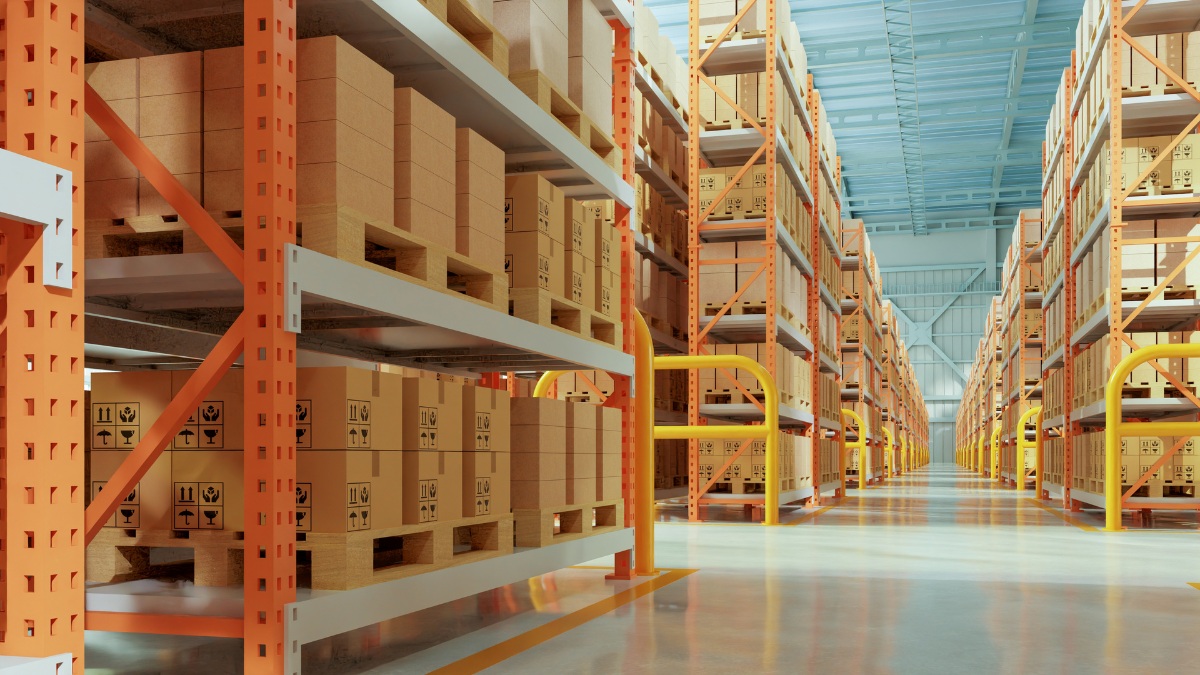
A third-party logistics provider (3PL) is a company that manages logistics services for businesses, including warehousing, inventory management, order fulfillment, and transportation.
Instead of handling fulfillment internally, businesses outsource these operational responsibilities to a specialized provider. This approach allows companies to access established logistics infrastructure without building their own warehouse network.
Core Services Provided by 3PL Companies
A modern 3PL warehouse typically supports several operational functions:
- Warehousing and storage: Products are stored in strategically located distribution centers designed for efficient inventory organization.
- Order picking and packing: When a customer places an order, warehouse staff or automated systems retrieve the items, package them, and prepare them for shipment.
- Shipping coordination: 3PL providers work with major carriers to transport orders efficiently.
- Inventory management: Warehouse management systems track stock levels, product movement, and replenishment needs.
- Returns processing: Many 3PL companies also handle reverse logistics, including product returns and restocking.
5 Ways 3PLs Help E-commerce Brands Scale Order Fulfillment
1. Scalable Warehouse Infrastructure
3PL providers give businesses access to established warehouse facilities without the cost of building and maintaining their own distribution centers.
Key advantages include:
- Flexible storage capacity that expands as inventory grows
- Warehouses designed for high-volume order processing
- Access to strategically located distribution hubs
- Reduced capital investment in logistics infrastructure
This allows e-commerce brands to increase order capacity without committing to long-term warehouse leases or operational overhead.
2. Advanced Inventory Management Systems
Modern 3PL warehouses use warehouse management systems (WMS) that provide real-time visibility into inventory levels and product movement.
These systems typically offer:
- Real-time inventory tracking
- Automated stock updates across sales channels
- Integration with platforms such as Shopify, Amazon, and WooCommerce
- Improved demand forecasting and replenishment planning
Accurate inventory data reduces fulfillment errors and helps businesses maintain reliable product availability.
3. Efficient Pick, Pack, and Ship Operations
3PL warehouses are designed for operational efficiency. Optimized warehouse layouts and trained fulfillment teams allow orders to move quickly through the fulfillment process.
Common operational improvements include:
- Organized storage systems that reduce item retrieval time
- Barcode scanning to improve order accuracy
- Standardized packing processes
- Faster order processing during high-volume periods
These systems allow businesses to handle thousands of orders per day without sacrificing accuracy.
4. Carrier Partnerships and Shipping Optimization
Shipping logistics are a major component of e-commerce fulfillment. 3PL providers maintain relationships with multiple carriers to improve shipping efficiency.
Benefits often include:
- Negotiated shipping rates through high shipping volume
- Access to multiple carrier options for different delivery speeds
- Route optimization that reduces transit time
- Data-driven shipping method selection
These capabilities help reduce delivery costs while maintaining reliable delivery timelines.
5. Distributed Warehouse Networks
Many 3PL providers operate multiple warehouses across different regions. This distribution strategy helps reduce shipping distance and delivery times.
Key benefits include:
- Inventory stored closer to major customer markets
- Faster delivery speeds across regions
- Lower transportation costs
- Reduced risk of regional supply chain disruptions
For businesses serving customers across the United States, distributed warehouse networks make it possible to meet growing expectations for fast and reliable shipping.
➤ CONNECT WITH OUR LOGISTICS TEAM
How To Choose a 3PL for Scalable E-Commerce Fulfillment
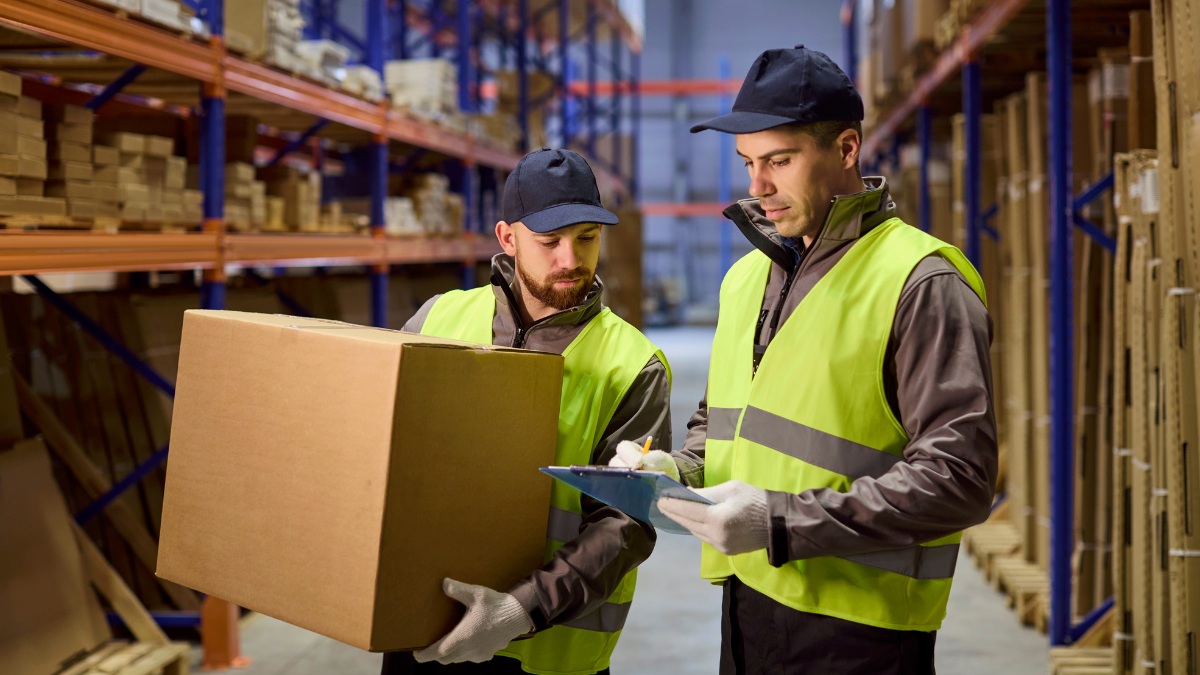
Step 1: Evaluate Warehouse Location
Warehouse proximity to major population centers and shipping hubs significantly affects delivery speed.
Businesses serving customers across the East Coast, for example, benefit from warehouse facilities located near major transportation corridors.
Step 2: Review Technology Integration
A strong logistics partner should support integration with major e-commerce platforms and inventory systems.
These integrations help automate order flow, reduce manual data entry, and maintain accurate inventory tracking.
Step 3: Assess Fulfillment Accuracy and Speed
Operational performance is a critical factor. Businesses should evaluate:
- Order accuracy rates
- Average order processing times
- Shipping turnaround times
Reliable fulfillment performance ensures customer satisfaction and minimizes operational disruptions.
Step 4: Confirm Scalability
E-commerce order volumes fluctuate during sales events, product launches, and seasonal peaks.
A strong 3PL partner should have the capacity to scale staffing, storage, and shipping resources during periods of increased demand.
Step 5: Understand Cost Structures
Pricing models vary among logistics providers. Businesses should review the full fee structure, including:
- Storage costs
- Pick and pack fees
- Shipping charges
- Returns processing fees
Understanding these costs helps companies plan logistics budgets accurately.
➤ READ: Industries That Benefit Most From Third-Party Logistics Services
Frequently Asked Questions (FAQs)
How long does it take to onboard with a 3PL?
Onboarding timelines vary based on inventory volume, system integrations, SKU count, and shipping requirements. For many businesses, setup includes account configuration, inventory intake, platform integration, and testing before orders go live.
Can a 3PL support multi-channel fulfillment?
Yes. Many 3PLs can fulfill orders from multiple sales channels, including brand websites, online marketplaces, and retail distribution streams, while helping keep inventory data aligned across channels.
What types of products can a 3PL warehouse handle?
A 3PL can often support a wide range of products, including consumer goods, packaged items, apparel, beauty products, and other non-perishable inventory. Product requirements depend on storage conditions, handling needs, and shipping complexity.
Is outsourcing fulfillment to a 3PL only for large businesses?
No. Small and mid-sized e-commerce businesses also use 3PL services when order volume starts to outgrow internal capacity or when they want more efficient shipping and warehouse support.
What should businesses ask before choosing a 3PL partner?
They should ask about warehouse locations, system integrations, order accuracy, turnaround times, pricing structure, returns handling, scalability, and experience with similar product types.
Partner With a 3PL That Can Support Your E-Commerce Growth
3PL Warehouse by Best provides warehousing, order fulfillment, and distribution services designed to help businesses manage growing e-commerce demand.
With structured logistics processes and scalable warehouse capacity, companies can maintain efficient fulfillment operations while focusing on expanding their products, markets, and customer base.