
Quick Facts
- Cross-docking moves goods fast with minimal storage.
- Traditional warehousing focuses on storage and control.
- Cross-docking may lower carrying costs.
- Traditional warehousing offers more flexibility.
- Many businesses combine both models.
What’s In This Guide
Supply chains are getting squeezed from every direction: higher facility costs, rising labor rates, and faster delivery expectations. In high-cost markets like New York City, choosing the right distribution model can directly affect both service levels and operating costs.
So what is the difference? Here’s a quick breakdown: cross-docking moves goods straight from inbound to outbound with little to no storage, while traditional warehousing holds inventory longer for managed storage and flexible fulfillment.
What Is Cross-Docking?
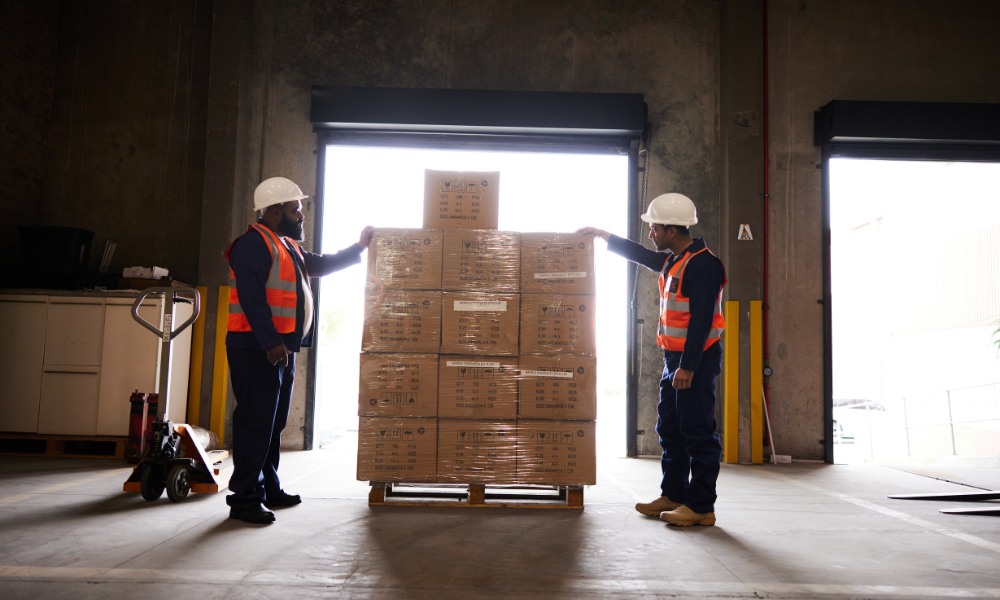
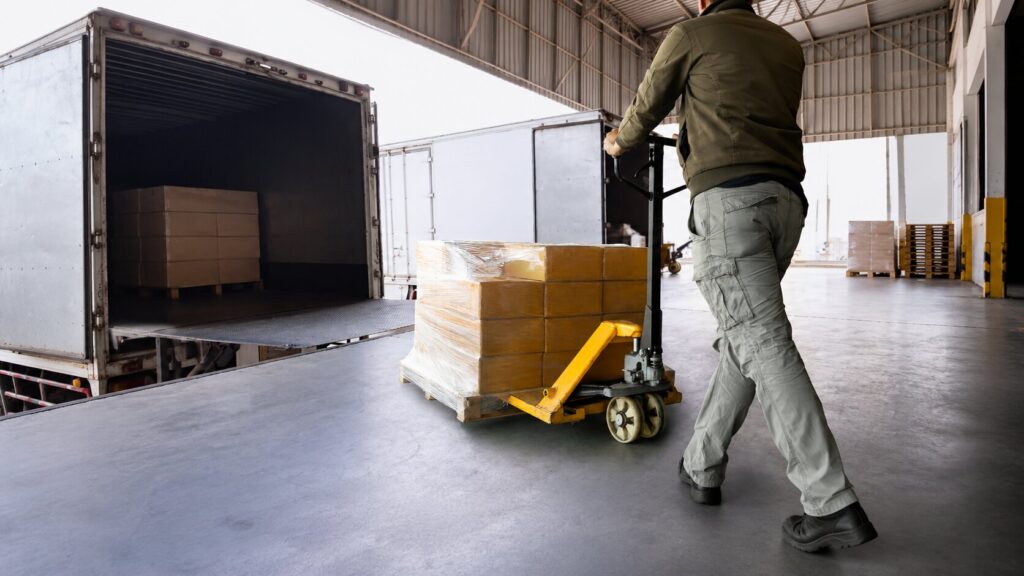
Cross-docking is a logistics strategy designed to eliminate unnecessary storage time. Instead of placing products into inventory, goods are transferred directly from incoming shipments to outbound trucks.
The goal is simple: reduce handling, minimize storage, and accelerate delivery.
In a cross-docking facility, products typically remain on-site for only a few hours. This model is especially common in high-volume retail and distribution environments where inventory turnover is rapid and predictable.
How Cross-Docking Works
A typical cross-docking process follows these steps:
- Suppliers deliver goods to a cross-docking facility.
- Products are unloaded and immediately sorted by destination.
- Items are consolidated with other shipments headed to the same location.
- Goods are loaded onto outbound trucks.
- Shipments depart quickly, often the same day.
What Is Traditional Warehousing?
Traditional warehousing is the more familiar logistics model. Goods are received, stored, managed in inventory systems, and later picked and shipped based on customer demand.
Unlike cross-docking, this approach is designed for longer-term storage and active inventory control.
In a traditional warehouse, the process typically includes:
- Receiving and inspecting products.
- Logging inventory into warehouse management systems.
- Storing goods in designated racks or zones.
- Picking and packing orders as needed.
- Shipping products to customers or retailers.
Cross-Docking vs. Traditional Warehousing: Key Differences
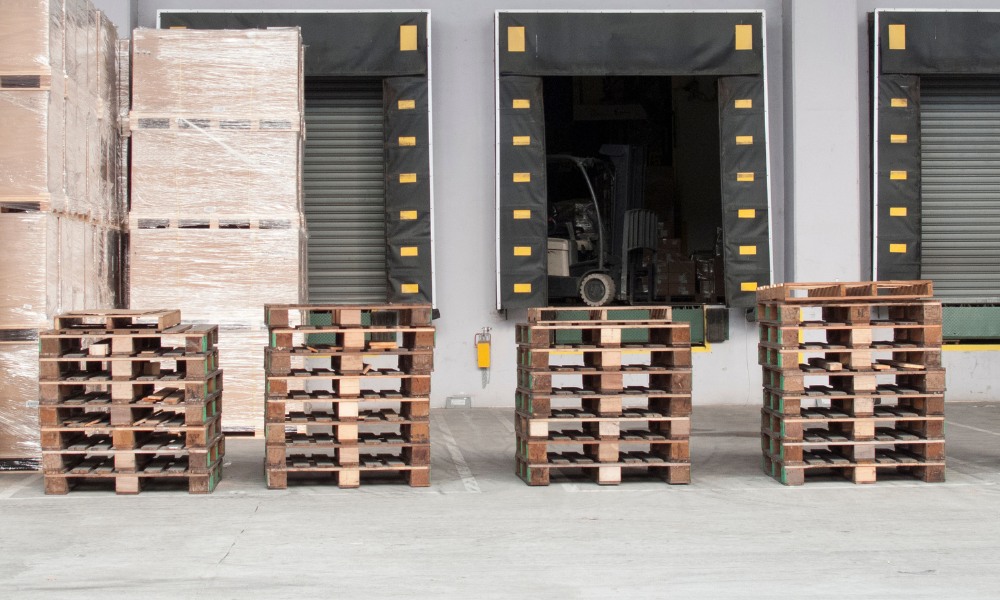
Cross-docking prioritizes speed and minimal storage, moving goods from inbound to outbound quickly. Traditional warehousing focuses on storage and inventory control, offering more flexibility and a buffer for demand changes.
Here is a straightforward comparison of the differences that matter most.
Speed and Efficiency
Cross-Docking
Reduces delivery time by moving goods straight from inbound to outbound with little to no storage. Best for fast-moving, perishable, and time-sensitive shipments.
Traditional Warehousing
Adds time due to storage, but supports planned picking, consolidation, and controlled distribution when speed is not the top priority.
Cost Structure
Cross-Docking
Lowers storage and carrying costs, but often requires stronger tech, tighter scheduling, and more coordination upfront.
Traditional Warehousing
Higher ongoing overhead (space, labor, carrying costs), but typically needs less real-time synchronization and can be steadier during disruptions.
Storage Requirements
Cross-Docking
Designed for quick transfer, not long holding. Limited space for overflow or safety stock.
Traditional Warehousing
Built for short- or long-term storage with stronger inventory control, safety stock, and seasonal planning.
Logistics Complexity
Cross-Docking
High coordination required. Delays upstream can quickly disrupt outbound schedules.
Traditional Warehousing
More forgiving. Inventory can be stored temporarily without derailing outbound shipments.
Risk Management
Cross-Docking
Lower inventory costs, but higher dependency on timing and supplier reliability. Less buffer if something goes wrong.
Traditional Warehousing
Higher carrying costs, but more protection against delays, demand spikes, and supply chain variability.
Factor | Cross-Docking | Traditional Warehousing |
Storage Time | Minimal or none | Short-term or long-term |
Delivery Speed | Very fast | Slower due to storage |
Inventory Costs | Lower carrying costs | Higher carrying costs |
Flexibility | Less flexible | More flexible |
Best For | Fast-moving, perishable goods | Seasonal, slow-moving, or unpredictable inventory |
How to Decide Between Cross-Docking and Traditional Warehousing
Choosing the right model starts with understanding your operational realities. Use the following framework to evaluate your needs.
Step 1: Evaluate Inventory Turnover
Analyze how quickly your products sell. High turnover and predictable demand often align with cross-docking. Slow-moving or irregular inventory typically benefits from traditional storage.
Step 2: Assess Demand Predictability
If your sales patterns are stable and forecastable, cross-docking can streamline distribution. If demand fluctuates significantly, warehousing provides flexibility and security.
Step 3: Consider Product Type
Perishable goods and promotional items often require rapid movement, making cross-docking ideal. Durable goods with longer shelf lives may fit either model, depending on turnover.
Step 4: Analyze Cost Structure
Compare storage expenses with the technology and coordination costs required for cross-docking. In high-cost markets like New York, reducing storage space can generate meaningful savings.
Step 5: Evaluate Supply Chain Reliability
If your suppliers consistently meet delivery schedules, cross-docking is feasible. If delays are common, traditional warehousing may reduce risk.
Frequently Asked Questions
Is cross-docking cheaper than traditional warehousing?
It may be in some situations, particularly when products move quickly and storage time is minimal. Cross-docking can lower certain storage and carrying costs, but the overall cost difference depends on coordination, technology, shipment volume, and how predictable the supply chain is.
Does cross-docking eliminate the need for warehouses?
No. Cross-docking facilities still require space for sorting and staging. Many businesses also maintain warehouse space for safety stock or seasonal inventory.
What types of products are best for cross-docking?
Perishable goods, promotional items, high-demand retail products, and fast-moving SKUs are strong candidates for cross-docking.
Is traditional warehousing outdated?
Not at all. It remains essential for long-term storage, unpredictable demand, and bulk purchasing strategies.
Can small and mid-sized businesses use cross-docking?
Yes, provided they have predictable demand and reliable supplier coordination. Cross-docking is not limited to large corporations.
Evaluate Your Distribution Strategy with the Right Logistics Partner
Cross-docking supports speed and lower storage for fast-moving goods, while traditional warehousing provides inventory control and flexibility for longer-term or unpredictable demand. Many businesses use a hybrid approach to balance both.
The right fit depends on turnover, demand patterns, product needs, and how much risk your operation can absorb, especially in high-cost markets like New York.
Ready to choose the most efficient setup?
Contact 3PL Warehouse By Best to discuss the right warehousing strategy for your business.