

Modern supply chains are becoming more complex. Businesses now manage online orders, retail distribution, and regional shipping networks simultaneously.
In this environment, fragmented logistics systems can slow down operations. Integrated warehousing within a third-party logistics (3PL) system addresses this challenge by consolidating storage, fulfillment, and distribution into a single operational framework.
Understanding how this model works can help businesses make better decisions about their logistics strategy.
What’s In This Guide
- What Is Integrated Warehousing in 3PL Logistics?
- 5 Key Advantages of Integrated Warehousing in 3PL Logistics
- How Integrated Warehousing Works Within a 3PL System
- Industries That Benefit Most From Integrated 3PL Warehousing
- Frequently Asked Questions (FAQs)
- Simplify Your Logistics Strategy with 3PL Warehouse By Best
Quick Facts
- Integrated warehousing connects storage, fulfillment, and shipping.
- It improves visibility, speed, accuracy, and cost control.
- It works well for e-commerce, retail, manufacturing, and growing brands.
- A strong 3PL should offer technology, flexibility, and scalability.
- It helps businesses run a more efficient supply chain.
What Is Integrated Warehousing in 3PL Logistics?
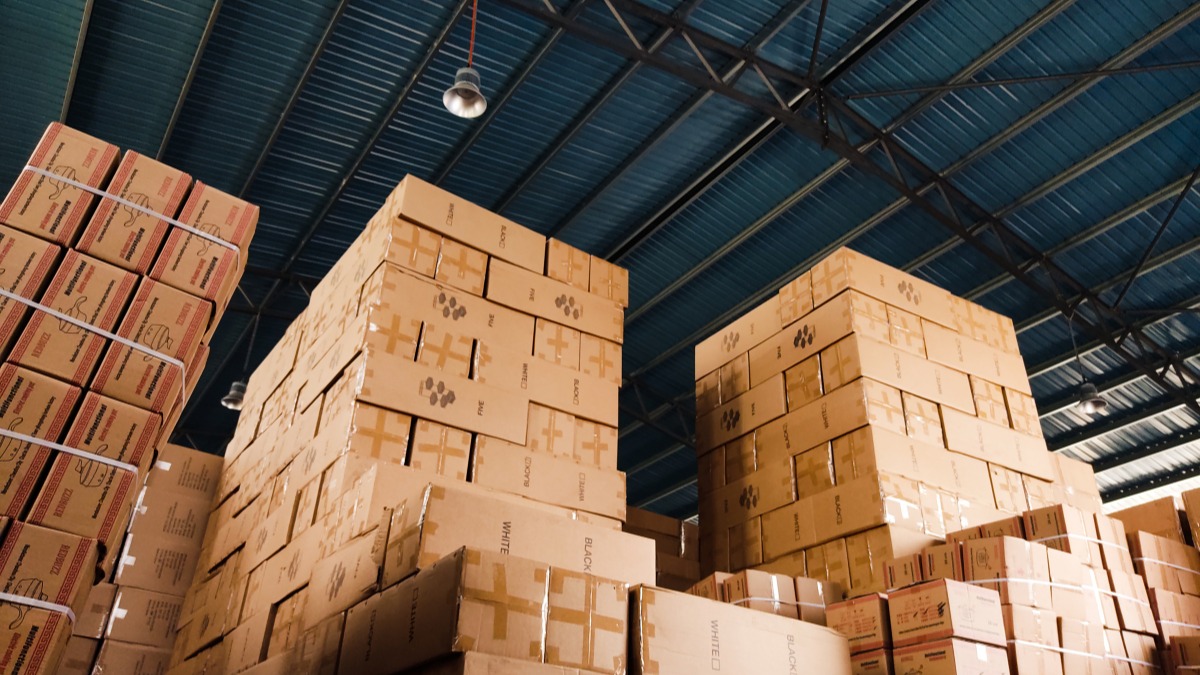
Integrated warehousing refers to a logistics structure in which inventory storage, order fulfillment, transportation coordination, and inventory management systems operate within one unified environment managed by a 3PL provider.
Instead of working with separate vendors for storage, fulfillment, and shipping, businesses rely on a single logistics partner that oversees the entire warehouse and distribution workflow.
Key Components of an Integrated Warehouse System
Integrated 3PL warehousing typically includes several coordinated elements:
- Warehouse Management Systems (WMS): A WMS tracks inventory levels, product locations, and order flow inside the facility.
- Inventory management and tracking: Barcode scanning and automated tracking systems maintain accurate stock data.
- Order fulfillment operations: Picking, packing, and order processing occur directly within the warehouse environment.
- Transportation coordination: Shipments are routed through parcel carriers, LTL freight, or full truckload services.
- Real-time inventory visibility: Businesses can view stock levels and order status through integrated digital systems.
5 Key Advantages of Integrated Warehousing in 3PL Logistics
By reducing handoffs between providers, integrated warehousing helps improve visibility, speed, cost control, and scalability across the supply chain.
1. Improved Supply Chain Visibility
One of the most valuable benefits of integrated warehousing is improved transparency across logistics operations.
Modern warehouse management systems provide:
- Real-time inventory tracking
- Order status updates
- Automated reporting tools
- Performance analytics
When inventory data, shipping information, and fulfillment operations are integrated, businesses gain a clearer understanding of how products move through the supply chain.
2. Faster Order Fulfillment
Integrated warehousing significantly reduces the time required to process orders.
In fragmented logistics systems, inventory may be stored in one facility, picked by another provider, and shipped by a separate transportation company. Each transition creates potential delays.
In an integrated 3PL warehouse:
- Inventory is stored within the fulfillment facility
- Orders are processed within the same system
- Shipping is coordinated directly from the warehouse
This streamlined workflow reduces processing time and improves delivery speed.
3. Lower Operational Costs
Operating separate logistics systems often results in duplicated administrative work, additional transportation transfers, and higher facility costs.
Integrated warehousing reduces these inefficiencies by centralizing operations.
Cost savings typically come from:
- Fewer transportation handoffs
- Reduced administrative overhead
- More efficient inventory handling
- Improved warehouse utilization.
4. Scalability for Growing Businesses
One of the biggest challenges for growing companies is expanding logistics capacity without building costly infrastructure.
Integrated 3PL systems allow businesses to scale operations more easily by adjusting:
- Storage capacity
- Labor resources
- Shipping volumes
- Distribution coverage.
This flexibility is especially valuable for companies that experience seasonal demand spikes or rapid sales growth.
E-commerce brands, retail distributors, and product manufacturers frequently rely on 3PL partners to support expansion without investing in their own warehouse facilities.
5. Improved Inventory Accuracy
Inventory accuracy is essential for maintaining reliable fulfillment operations.
Integrated warehouse management systems automate inventory tracking through tools such as barcode scanning and digital inventory updates.
Higher accuracy reduces stock discrepancies, minimizes backorders, and improves customer satisfaction.
➤ UPGRADE YOUR WAREHOUSING STRATEGY
How Integrated Warehousing Works Within a 3PL System
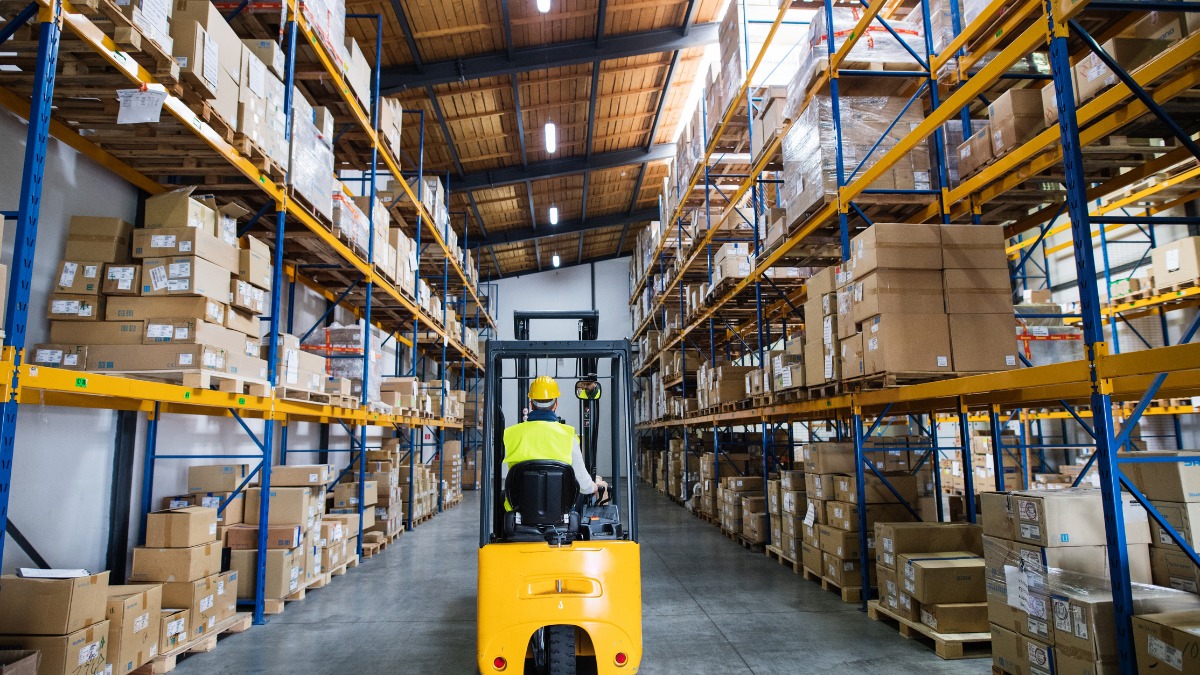
Understanding how integrated warehousing functions helps businesses evaluate whether it fits their logistics strategy.
Step 1: Inventory Intake and Storage
Products arrive at the warehouse and are recorded in the warehouse management system. Each item is assigned a specific storage location to optimize picking efficiency.
Step 2: Inventory Monitoring
The WMS continuously tracks inventory levels and movement within the facility. Businesses can access real-time information about stock availability and order flow.
Step 3: Order Processing
When orders are received from online stores, marketplaces, or retail partners, they enter the fulfillment system automatically. Warehouse teams begin the picking and packing process.
Step 4: Shipping Coordination
Once orders are packed, shipments are routed to appropriate carriers based on delivery speed, cost efficiency, and destination. Options may include parcel services, LTL freight, or full truckload shipping.
Step 5: Delivery Tracking and Reporting
Tracking numbers and shipment data are generated automatically. Businesses receive performance metrics that help evaluate fulfillment efficiency and logistics costs.
➤ READ: Public vs. Contract Warehousing: Which Storage Solution Fits Your Operation?
Industries That Benefit Most From Integrated 3PL Warehousing
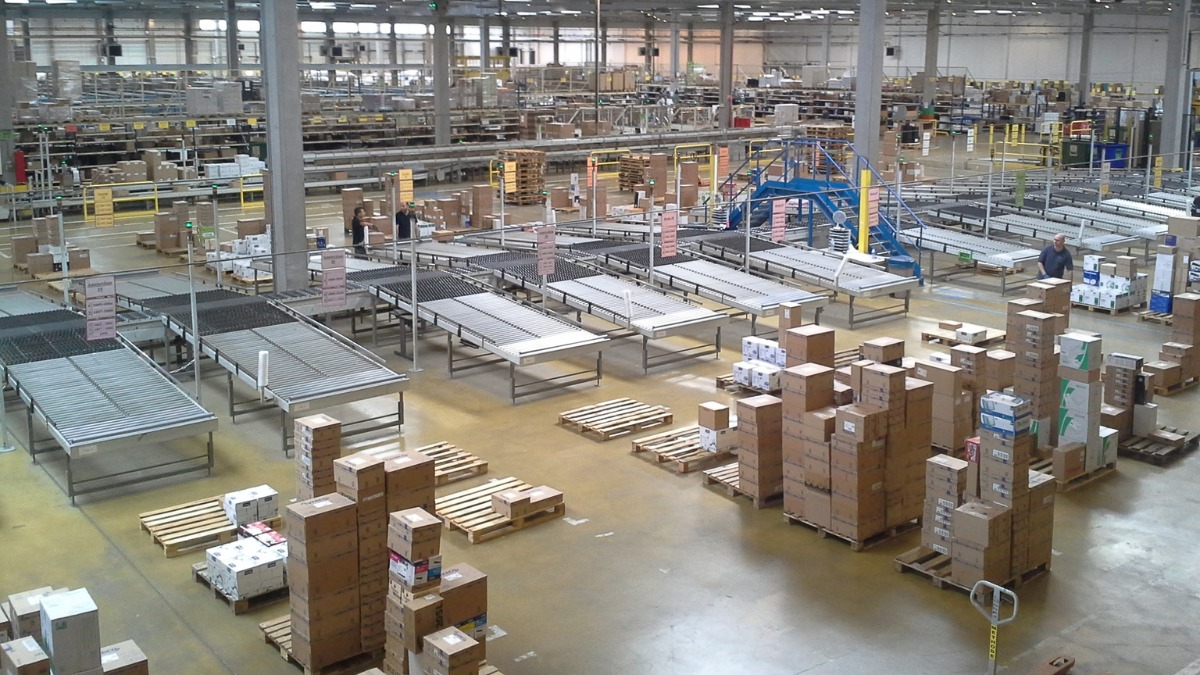
Many industries rely on integrated warehousing to maintain efficient distribution systems.
- E-commerce businesses: Manage high order volume and multi-channel inventory more efficiently.
- Retail and consumer goods companies: Simplify distribution to stores, wholesalers, and direct buyers.
- Manufacturers: Centralize storage and streamline regional product distribution.
- Fast-growing startups: Scale logistics operations without investing in their own warehouse infrastructure.
Frequently Asked Questions (FAQs)
Can integrated warehousing help reduce stockouts and overstocking?
Yes. When inventory, fulfillment, and shipping are managed in one system, businesses get more accurate stock data and better forecasting visibility. That makes it easier to reorder at the right time and avoid carrying too much or too little inventory.
Is integrated warehousing only useful for large companies?
No. Small and mid-sized businesses can benefit just as much, especially when they need more structure without building their own logistics network. It can help support growth while keeping overhead more manageable.
How does integrated warehousing support seasonal demand changes?
It allows businesses to adjust storage, labor, and fulfillment capacity more easily during peak seasons. This flexibility helps companies respond to holiday surges, promotions, or sudden shifts in order volume without overextending internal resources.
Can integrated warehousing improve customer satisfaction?
Yes. Faster order processing, better inventory accuracy, and more reliable shipping updates can all improve the customer experience. Fewer fulfillment errors also help reduce returns and service issues.
What should businesses ask before choosing an integrated 3PL partner?
They should ask about system integrations, reporting capabilities, shipping options, service coverage, inventory accuracy processes, and how the provider handles growth. These questions can reveal whether the provider is equipped to support long-term operational needs.
Simplify Your Logistics Strategy with 3PL Warehouse By Best
If your company is evaluating ways to improve supply chain efficiency, working with an experienced logistics provider can make a significant difference.
3PL Warehouse By Best offers integrated warehousing solutions designed to help businesses manage inventory, streamline fulfillment, and coordinate distribution more effectively.
Request a quote today.