
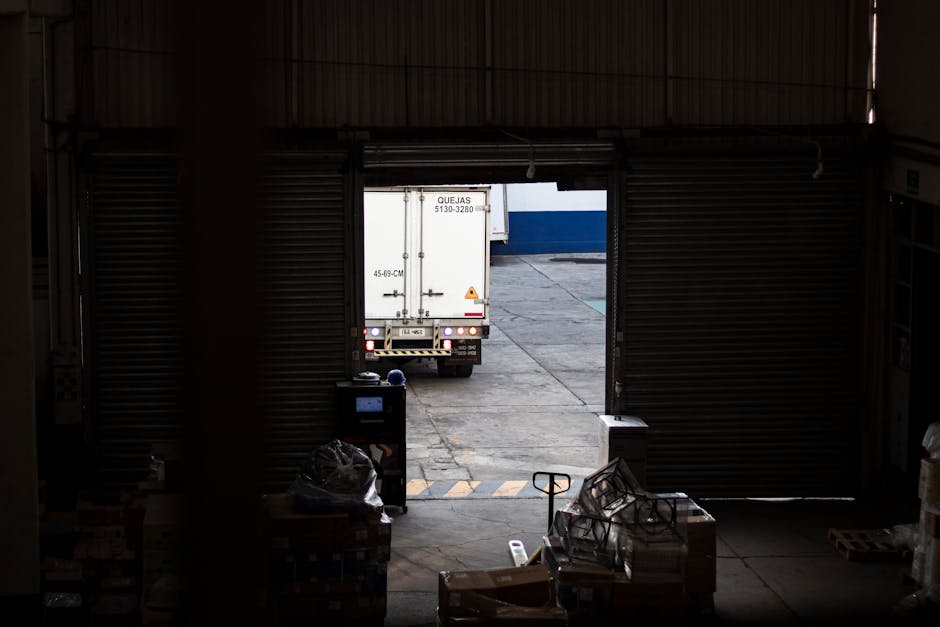
Freight consolidation combines multiple smaller Less-than-Truckload (LTL) shipments from various shippers into single full truckload (FTL) shipments destined for a common area or receiver.
This matters more now because the U.S. still moves most domestic freight by truck. Trucks moved about 72.7% of the nation’s freight by weight in 2024, so small improvements in load utilization and planning add up quickly.
What’s In This Guide
- What Is Freight Consolidation, and How Does It Work?
- Freight Consolidation vs. LTL vs. Truckload
- How Freight Consolidation Improves Efficiency (And What To Measure)
- Common Freight Consolidation Models 3PLs Run
- Frequently Asked Questions (FAQs)
- Optimize Your Freight Strategy With Smarter Consolidation
Fast Facts
- ✅ Consolidation turns multiple LTL shipments into fewer, fuller truckload moves.
- ✅ Lower shipment counts and higher load density reduce cost per unit.
- ✅ Planned staging and routing improve control and predictability.
- ✅ It works best with repeatable lanes and clear cutoff rules.
- ✅ Track KPIs like cost per unit, OTIF, claims, and dwell time to prove results.
What Is Freight Consolidation, and How Does It Work?
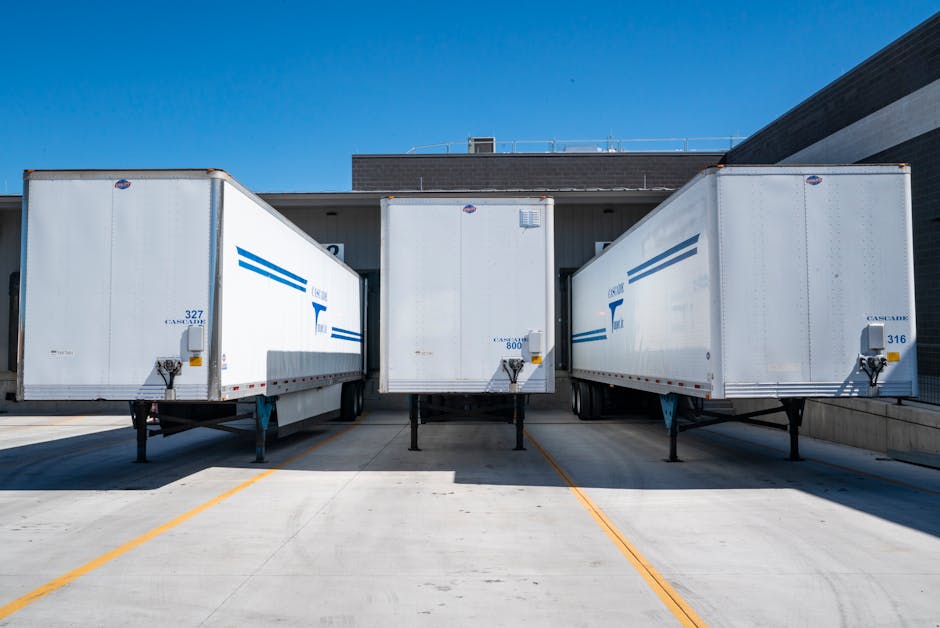
Freight consolidation is a transportation strategy that groups multiple shipments headed to the same geographic area, customer, or delivery window, then moves them as fewer, fuller loads. The “consolidated” move is often a truckload linehaul into a region, followed by deconsolidation and final delivery from a local point.
A simple way to think about it is that consolidation does not eliminate demand. It reorganizes demand so carriers move more freight per trip and shippers manage fewer separate shipments.
Typical Consolidation Flow
Many trucks move below feasible cube and volume utilization, and combining shipments into a multi-stop truckload route can increase utilization and reduce transportation costs
- Collect shipments: Multiple LTL-sized orders from one shipper, multiple suppliers, or multiple business units are identified for a common destination region.
- Stage freight: Freight is received at a hub such as a 3PL warehouse, a consolidation center, or a cross-dock.
- Build fuller loads: Freight is combined into FTL (or multi-stop truckload) moves based on cube, weight, service level, and compatibility.
- Linehaul and deconsolidate: A single truckload moves into the target region, then the freight is separated for final delivery.
Freight Consolidation vs. LTL vs. Truckload
LTL
- Best for: Smaller shipments that cannot fill a trailer.
- Typical trade-off: Higher cost per pallet and more handling touchpoints. LTL networks involve terminals and transfers that can increase handling events.
Full Truckload (FTL)
- Best for: High-volume lanes where you can consistently fill a trailer.
- Typical trade-off: Great unit economics, but not realistic for many mid-market shippers on every lane, every week.
Freight Consolidation
- Best for: Shippers whose “natural” shipment size is LTL, but who have repeatable lane patterns or regional demand that can be grouped.
- Typical trade-off: May add a staging step. That can slightly change lead time unless you plan cutoffs and service tiers carefully.
In other words, consolidation is a bridge between LTL frequency and truckload economics. If your freight is steady but fragmented, consolidation is often the cleanest way to improve efficiency without changing your product mix.
How Freight Consolidation Improves Efficiency (And What To Measure)
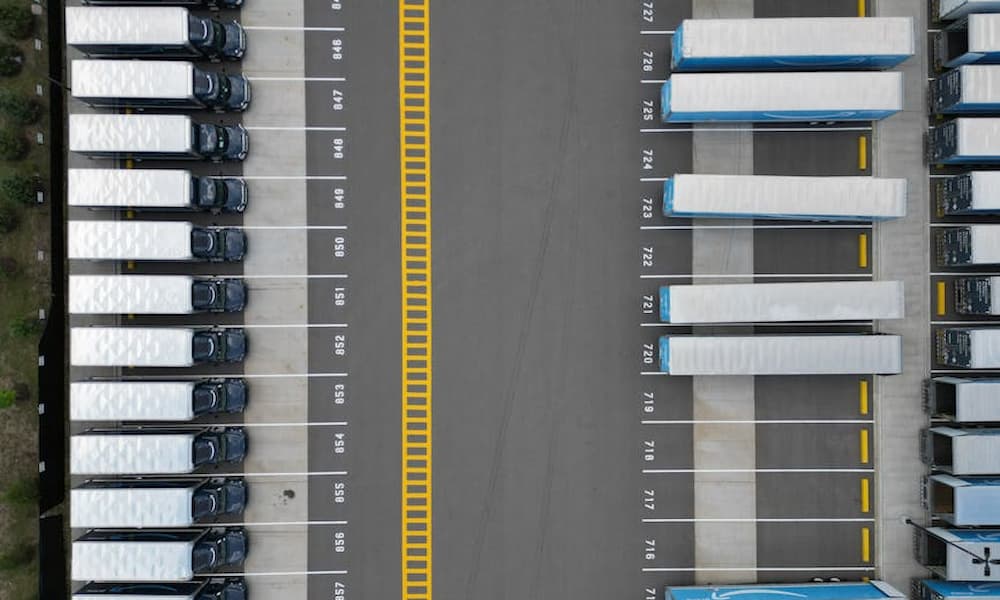
Lower Transportation Cost per Unit
Instead of paying for many separate LTL moves, you convert a portion of spend into fewer linehaul moves and more predictable regional distribution.
What to measure:
- Cost per order
- Cost per pallet
- Cost per pound
- Cost per zone or region
Fewer Touches and Less Damage Exposure
Every transfer is a chance for delay, mis-sorts, and damage. Consolidation can reduce network touches by reducing the number of individual shipments moving independently.
What to measure:
- Claims rate (per 100 shipments)
- Damage frequency by lane
- Exception rate (late, missed appointment, shortage)
More Consistent Delivery Performance
When you plan fewer moves, you often gain more control over pickup windows, linehaul timing, and appointment scheduling.
What to measure:
- On-time delivery percentage
- OTIF (on time in full)
- Appointment compliance
- Average “days late” on problem lanes
A Path To Lower Environmental Impact Through Efficiency
Consolidation reduces redundant trips and can improve utilization, which is a recognized lever for freight emissions reduction. Certain programs, like SmartWay, focus on improving freight transportation efficiency and reducing transportation-related emissions.
Common Freight Consolidation Models 3PLs Run
Inbound Consolidation (Supplier To Warehouse)
Multiple suppliers ship smaller loads that are grouped into planned inbound receipts and fewer linehaul moves into a warehouse or regional hub.
Best for: Brands with many vendors feeding a shared inventory position, especially when lead times and inbound variability create receiving chaos.
Outbound Consolidation (Warehouse to Customer, DC, or Region)
Orders are grouped by region, carrier lane, or delivery window so you ship fewer, fuller loads.
Best for: Multi-channel brands shipping to retailers, stores, or B2B customers on regular cadences.
Pool Distribution
Freight moves as full loads into a “pool point” near the destination region, then breaks down into shorter local deliveries.
Best for: Dense metro regions where local delivery scheduling is the bottleneck.
Cross-Dock Consolidation
Freight is unloaded from inbound vehicles and moved quickly into outbound vehicles with little or no storage. Cross-docking involves unloading and directly loading outbound freight with minimal storage in between.
Best for: Products with predictable flow where speed and reduced storage time matter more than holding inventory.
Frequently Asked Questions (FAQs)
How is freight consolidation priced?
Freight consolidation pricing typically depends on shipment volume, lane density, staging requirements, and linehaul distance. Costs may include handling at the consolidation point, transportation linehaul, and final delivery. Many 3PLs compare projected consolidated cost per unit against current LTL spend to quantify savings.
What shipment volume is needed to justify consolidation?
There is no universal minimum, but consolidation becomes viable when you have recurring shipments into the same region at least weekly. Even smaller shippers can benefit if their freight patterns are predictable and consistent.
Can freight consolidation work with time-sensitive shipments?
Yes, if service tiers and cutoff windows are clearly defined. Urgent orders can bypass consolidation, while standard orders follow scheduled load-building timelines to maintain service reliability.
Does consolidation require long-term contracts with carriers?
Not necessarily. Some consolidation programs operate using spot or dynamic routing models. Others leverage contract lanes for consistency. The right approach depends on freight stability and risk tolerance.
How long does it take to implement a freight consolidation program?
A pilot can often be launched within a few weeks once shipment history is analyzed, lanes are identified, and operational rules are defined. Full rollout timelines depend on complexity and the number of regions involved.
➤ READ: Public vs. Contract Warehousing: Which Storage Solution Fits Your Operation?
Optimize Your Freight Strategy With Smarter Consolidation
If you’re shipping frequent LTL loads with inconsistent lane planning, it’s time to consider consolidation with clear KPIs.
3PL Warehouse By Best can review your freight data, pinpoint inbound and outbound consolidation opportunities, and run a focused pilot to improve cost per unit, on-time delivery, and scalability.