
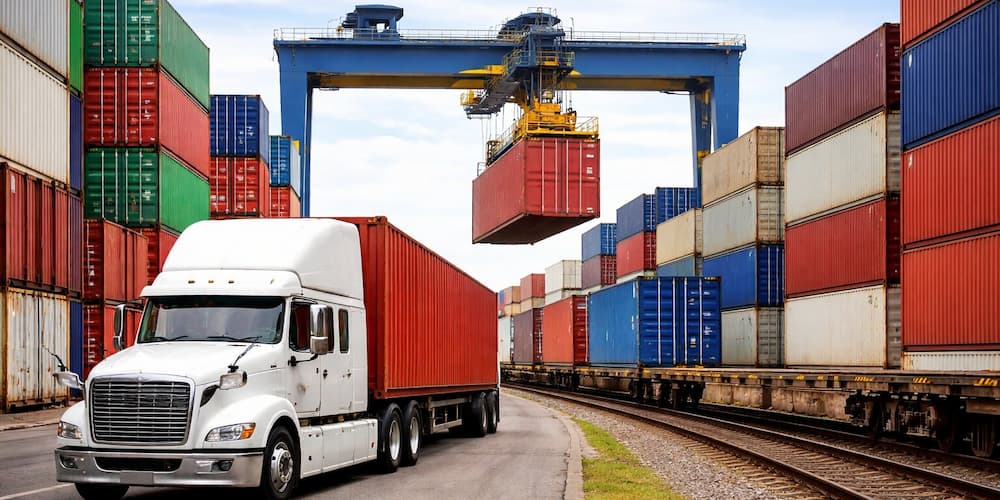
In 3PL logistics, FTL (Full Truckload) uses an entire trailer for direct, fast, and secure transport of large, heavy, or sensitive goods. LTL (Less-than-Truckload) consolidates smaller shipments from multiple shippers, making it cost-effective for 1 to 6 pallets. Intermodal combines rail, ocean, or truck for sustainable, cost-efficient long-distance transport.
The right fit depends on what you ship, where it goes, and how tight the delivery promise is, not just the rate you see on a quote.
Section Breakdown
The Essentials
- FTL: Fast, direct, fewer touchpoints.
- LTL: Lower cost for small loads (often 1–6 pallets).
- Intermodal: Better long-haul cost and emissions.
- Pick by: Size, deadlines, handling risk, and total cost.
- A strong 3PL: Consolidates, schedules, covers lanes, fixes exceptions.
What Is LTL Shipping? (Less-Than-Truckload)
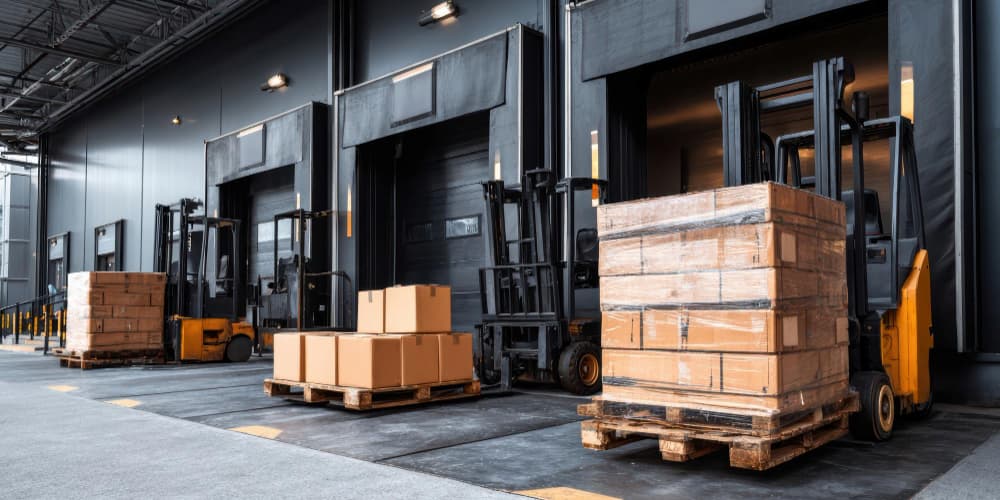
LTL shipping is designed for shipments that do not require a full trailer. Your freight shares space with other shippers’ freight, and the carrier routes loads through a network that typically includes terminals and transfers.
How LTL Works in a 3PL Workflow
A 3PL often improves LTL outcomes by tightening the basics that drive LTL pricing and performance:
- Pallet build quality: Stable, stackable pallets reduce damage and rework
- Accurate dimensions and weight: Prevents reclassification and billing corrections
- Correct freight classification: Helps you avoid costly rebills later
Typical LTL Shipment Sizes
There is no single universal cutoff because carriers set their own limits. LTL weight guidelines can range from roughly 100 up to 10,000 pounds, with some carriers allowing more.
LTL is often a solid fit when you are shipping roughly 1–6 pallets and want a better cost position than paying for a full trailer.
Pros and Cons of LTL
Pros
- Cost-effective for smaller loads because you buy only the space you use
- Flexible for frequent replenishment and multi-location distribution
- Scales well when order volume rises gradually
Cons
- More touchpoints and transfers can increase damage risk
- Transit times can be longer because of network routing
- Misclassification and poor data can trigger rebills and delays
What Is FTL Shipping? (Full Truckload)
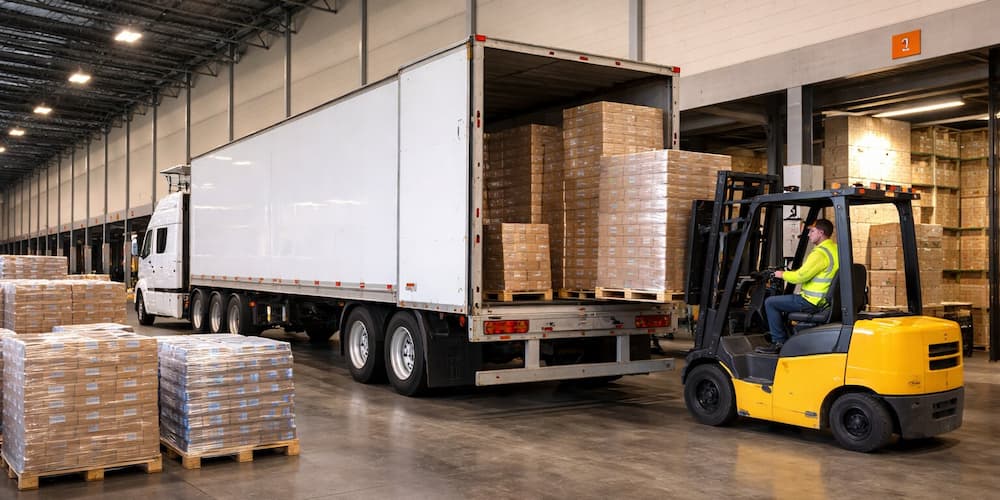
FTL shipping means one shipper uses the entire trailer. For many 3PL customers, FTL is the default when the load is large enough or the product is sensitive enough that extra handling is a deal-breaker.
Why FTL Is the “Control” Option
FTL typically involves fewer stops and fewer transfers than LTL. That usually translates into:
- Faster transit on comparable lanes
- Lower handling risk for fragile, high-value, or compliance-sensitive goods
- Cleaner scheduling for tight delivery appointments
This matters because trucking remains the backbone of U.S. domestic freight movement. The Federal Highway Administration summarizes trucking as the single largest freight mode by ton and value in the U.S.
When FTL Makes the Most Sense
FTL is often the right call when you have:
- Large, dense shipments (high pallet count, heavy loads)
- Time-sensitive replenishment tied to sales events or retail windows
- Higher-risk goods where damage, theft, or contamination is a major concern
- A need for a consistent pickup and delivery cadence
Pros and Cons of FTL
Pros
- Fast and direct relative to multi-stop networks
- Strong security and reduced damage exposure
- Simpler pricing structure than many LTL shipments
Cons
- Can be inefficient if the trailer is not close to full
- Not always the most economical option for small shipments
What Is Intermodal Shipping?
Intermodal shipping moves freight using two or more modes, typically a combination of truck + rail, sometimes extending to ocean for import and export freight. Containers stay closed through mode transfers, while drayage trucks handle first-mile and last-mile moves.
Why Intermodal Is Often the Long-Haul Value Play
Intermodal tends to shine on longer distances where rail can do what it does best: move heavy freight efficiently. EPA materials commonly cited in freight sustainability contexts note that freight railroads are about 3–4 times more fuel efficient than trucks on average.
When Intermodal Makes Sense
Intermodal is often a fit when you have:
- Longer lanes (often hundreds of miles or cross-country moves)
- Cost pressure where a few extra days of transit is acceptable
- Sustainability goals that need measurable reductions
- Freight that is container-friendly and not extremely time-critical
Pros and Cons of Intermodal
Pros
- Often cost-efficient for long-distance freight
- Strong sustainability profile relative to truck-only moves
- Helps diversify capacity when trucking markets tighten
Cons
- Transit can be slower than over-the-road FTL
- Scheduling and coordination are more complex
- Requires reliable drayage and ramp access
What a 3PL Adds When Managing LTL, FTL, and Intermodal
A capable 3PL does more than “book a truck.” It reduces friction across the entire move:
- Consolidation and deconsolidation to use LTL efficiently
- Cross-docking to reduce dwell time and keep inventory flowing
- Carrier mix management for capacity and service continuity
- Shipment visibility with proactive exception management
- Compliance support for B2B shipping programs (labels, routing guides, EDI processes)
For ecommerce and wholesale brands scaling into new regions, that operational discipline often matters as much as the mode itself.
Frequently Asked Questions (FAQs)
What LTL accessorial fees are most common and how do you avoid them?
Residential, liftgate, limited access, inside delivery, appointments, re-delivery, and detention. Avoid them by confirming site details upfront, providing accurate dims/weight, and scheduling appointments early.
How do pallet height and packaging impact freight class and cost?
They affect density and handling. Overhang, weak wrap, or unstable pallets can raise class, fees, and damage risk. Standardize pallet builds and packaging to keep pricing and claims predictable.
What is volume LTL, and when should you use it instead of FTL?
Volume LTL is for shipments bigger than typical LTL but not large enough for a full trailer. It’s a fit when you have roughly 6–10+ pallets or high cube and want better pricing without paying for full FTL.
What is intermodal drayage, and why does it matter?
Drayage is the short truck move to/from the rail ramp. It matters because ramp appointments, chassis availability, and delays can add time if not planned.
How can ecommerce brands reduce LTL damage?
Build stable pallets: no overhang, strong wrap, corner protection, and clear labeling. Document condition at pickup and delivery to support claims if needed.
Strengthen Your Freight Strategy With the Right 3PL Partner
If your ecommerce, retail, or wholesale operation needs tighter warehouse-to-freight coordination, work with a team that can balance speed, cost, and visibility across LTL, FTL, and intermodal.
3PL Warehouse By Best supports growing brands with integrated logistics strategies that align freight mode selection with warehouse execution, carrier management, and real-time shipment oversight.