
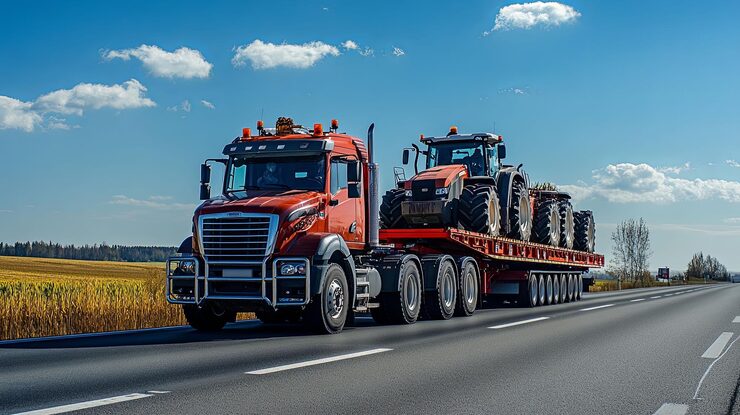
Heavy haul trucking is used to move oversized or overweight cargo, such as machinery, turbines, and steel beams that exceed standard legal limits, often surpassing 80,000 pounds or extending beyond 8.6 feet in width.
Because of their size and complexity, heavy haul shipments demand careful planning to navigate obstacles such as low bridges, power lines, and traffic restrictions. Strict regulations and specialized equipment ensure these oversized loads are transported safely, legally, and efficiently.
Table of Contents
Key Takeaways✔ Heavy haul trucking moves oversized or overweight cargo that exceeds standard legal limits. ✔ Heavy hauling requires specialized equipment, permits, escorts, and precise route planning. ✔ Heavy haulage costs vary based on load size, distance, and regulatory complexity. ✔ Urban routes increase risk, making planning critical for heavy haul freight. ✔ A warehouse in New York helps stage oversized loads and reduce delivery delays. |
Heavy Haul Trucking: Definition and Industry Overview
What Qualifies as Heavy Haul Trucking?
Heavy haul trucking applies when cargo exceeds legal size or weight limits established by federal and state authorities. While exact definitions vary by state, most heavy haulage begins when freight goes beyond:
- 80,000 lbs gross vehicle weight
- 8.5 feet in width
- 13.5 feet in height
- Standard trailer lengths
Once freight crosses these thresholds, it is legally classified as oversized, overweight, or both triggering special requirements.
How Heavy Haul Trucking Differs From Standard Freight Transport
Unlike standard haulage, heavy haul trucking requires:
- Custom equipment configurations
- Detailed route engineering
- State-by-state permits
- Escort coordination
- Strict compliance oversight
The margin for error is smaller, and the consequences of poor planning are significantly higher. That’s why heavy hauling is treated as a specialized discipline within logistics.
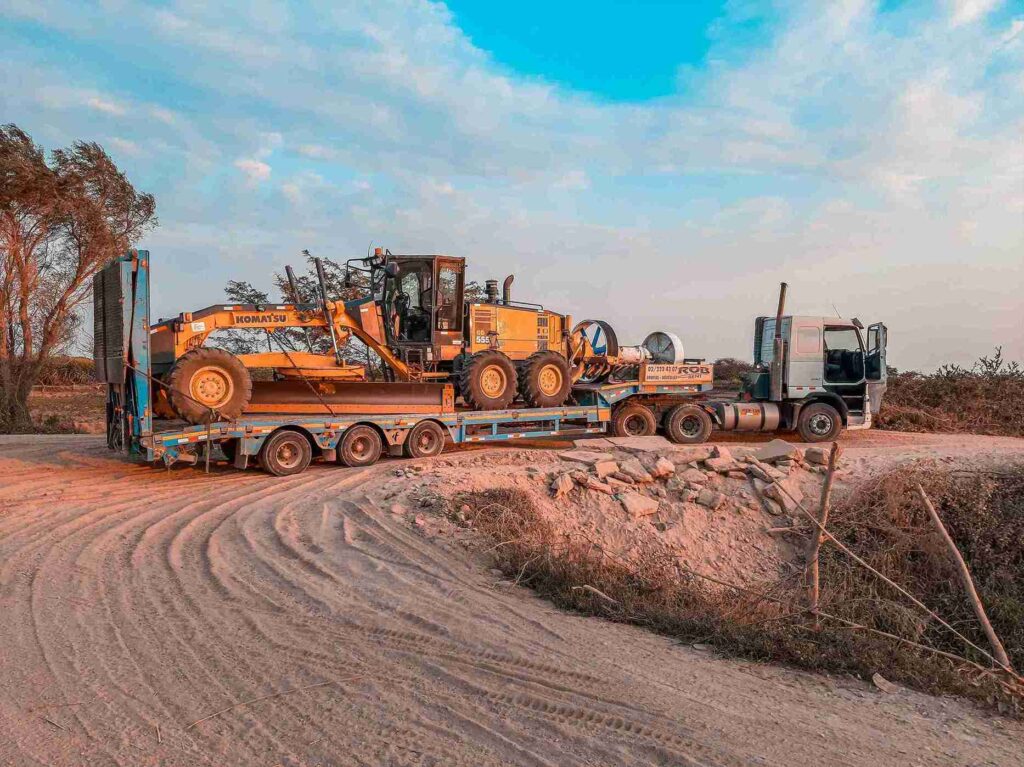
What Is a Heavy Haul Truck?
A heavy haul truck is not a single, standard vehicle. It’s a purpose-built combination of tractor and trailer engineered to distribute extreme weight safely across multiple axles.
These trucks often feature:
- High-horsepower engines
- Reinforced frames and braking systems
- Multi-axle configurations to reduce per-axle load
Without these features, transporting heavy haul freight would be unsafe and non-compliant.
What Weight Is Considered a Heavy Haul?
At the federal level, 80,000 pounds is the baseline legal limit for standard trucking. Anything above that typically qualifies as overweight and may require heavy haul trucking services.
However, it’s not just total weight that matters. States evaluate:
- Gross combined vehicle weight
- Weight per axle
- Weight distribution across the trailer
A single-piece load that weighs less than 80,000 pounds can still require heavy hauling if it creates axle overloads or exceeds size limits.
What Is an Example of a Heavy Truck?
Common heavy haul trucking configurations include:
- Lowboy trailers for tall equipment
- Multi-axle platform trailers for extreme weight
- Extendable trailers for long structural components
These trucks are selected based on the dimensions and center of gravity of the heavy haul freight, ensuring stability and compliance throughout transit.
What Are Heavy Trucks Used For?
As demand for large-scale construction, energy, and manufacturing projects continues to rise, heavy haul trucking has become a critical segment of the logistics industry. In fact, the heavy haul truck market reached an estimated value of $34.5 billion in 2023, with sustained growth projected through 2032.
Heavy trucks are essential to industries that move assets too large for standard transportation, including:
- Construction and infrastructure development
- Energy and utilities
- Manufacturing and industrial production
- Public works and transportation projects
Without heavy haulage, many large-scale projects simply wouldn’t be possible.
The Heavy Haul Transport Process Explained
Route Planning and Load Engineering
Every heavy haul trucking move begins with route planning. Teams analyze bridge clearances, road weight limits, turning radii, and construction zones to ensure the load can physically and legally travel the route.
Permits, Escorts, and Compliance Checks
Permits must be secured for every state and, in some cases, municipalities. Escort vehicles and police escorts may be required depending on load size and route complexity.
Loading, Securement, and Transit Coordination
Loading and securement are critical safety steps. Improper weight distribution or tie-down failure can lead to severe risk during heavy hauling operations.
Delivery, Unloading, and Final Inspection
Delivery often requires cranes or specialized unloading equipment, followed by inspections to ensure the heavy haul freight arrived safely and intact.

Heavy Haul Trucking Regulations and Legal Requirements
Federal Regulations for Heavy Haul Freight
The U.S. Department of Transportation sets baseline safety standards for drivers, equipment, and operations involved in heavy haul trucking.
State-Level Oversize and Overweight Requirements
Heavy Haul Trucking Regulations in New York
New York presents unique challenges due to dense infrastructure, bridge limitations, and urban congestion. Expertise in local regulations is essential for compliant heavy hauling within the state.
Heavy Haul Trucking Costs: What Businesses Should Expect
Key Factors That Influence Heavy Haul Trucking Costs
Costs are influenced by:
- Load size and weight
- Route complexity
- Permit and escort requirements
- Specialized equipment needs
- Equipment, Permits, and Escort Vehicle Expenses
Multi-axle trailers, permit fees, escort vehicles, and potential utility coordination all add to heavy haulage costs.
Why Heavy Haulage Pricing Varies by Route and Region
Frequently Asked Questions (FAQs)
How long does heavy haul trucking take compared to standard freight?
Heavy haul trucking typically takes longer than standard freight due to permitting, route planning, and escort coordination. Timelines vary based on load size, distance, and state-specific regulations.
Can heavy haul freight be temporarily stored before final delivery?
Yes. Many businesses use a warehouse in New York to stage heavy haul freight, allowing flexibility while permits, escorts, or delivery windows are finalized.
Is heavy hauling required for wide loads even if the weight is within limits?
Yes. Heavy hauling may be required when cargo exceeds legal width, height, or length limits even if the total weight is below 80,000 pounds.
What happens if heavy haulage permits are delayed or denied?
Permit delays can affect scheduling and routing. Working with experienced heavy haulage providers helps reduce delays by ensuring applications meet all regulatory requirements.
Why is route planning critical for heavy haul trucking in urban areas?
Urban routes often include low bridges, utility lines, and traffic restrictions. Detailed planning is essential to move heavy haul freight safely and avoid costly disruptions.
Next Steps for Businesses Planning Heavy Haul Trucking Services
For businesses operating in or through New York, having the right logistics support makes a measurable difference.
3PL Warehouse By Best provides secure warehousing and logistical coordination to support complex heavy haul trucking operations. If your business needs a reliable warehouse in New York to stage, store, or support oversized freight, now is the time to plan ahead.