
Table of Contents
Key Takeaways✔ Heavy haul trucking handles freight that exceeds legal size or weight limits using specialized trailers, permits, and route planning. ✔ It plays a vital role in industries like construction, manufacturing, mining, energy, retail, and infrastructure by ensuring critical equipment and materials reach their destinations safely. ✔ Unlike standard freight, heavy haul loads require detailed coordination due to their complexity and potential impact on roadways and schedules. ✔ The increasing demand for industrial growth, infrastructure upgrades, and renewable energy projects continues to drive reliance on heavy haul services. ✔ Logistics functions—including transportation, inventory management, and route optimization—are essential in supporting heavy haul operations from origin to final delivery. |
Heavy haul trucking plays a critical role in the backbone of the U.S. economy, moving equipment and materials that standard freight simply can’t handle. From massive construction machinery to wind turbine components and mining equipment, these oversized loads require specialized planning, trailers, and routing. Without heavy haul services, many industries would face costly delays, missed deadlines, and stalled operations.
Here are the top 7 industries that rely on heavy haul trucking every day.
What Is Heavy Haul Trucking, and Why Is It Different?
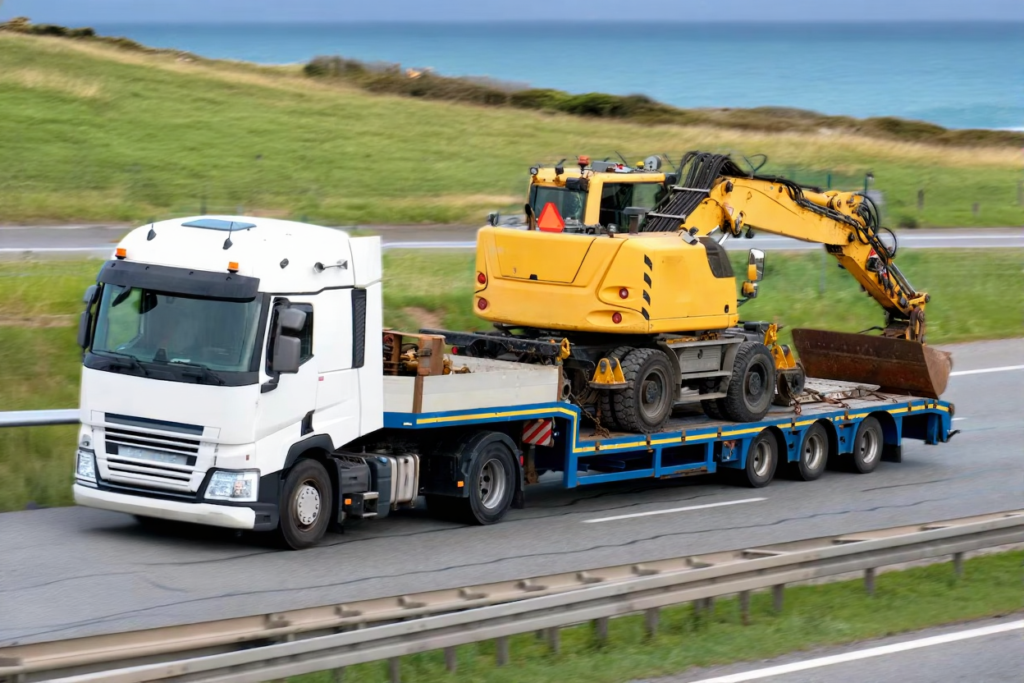
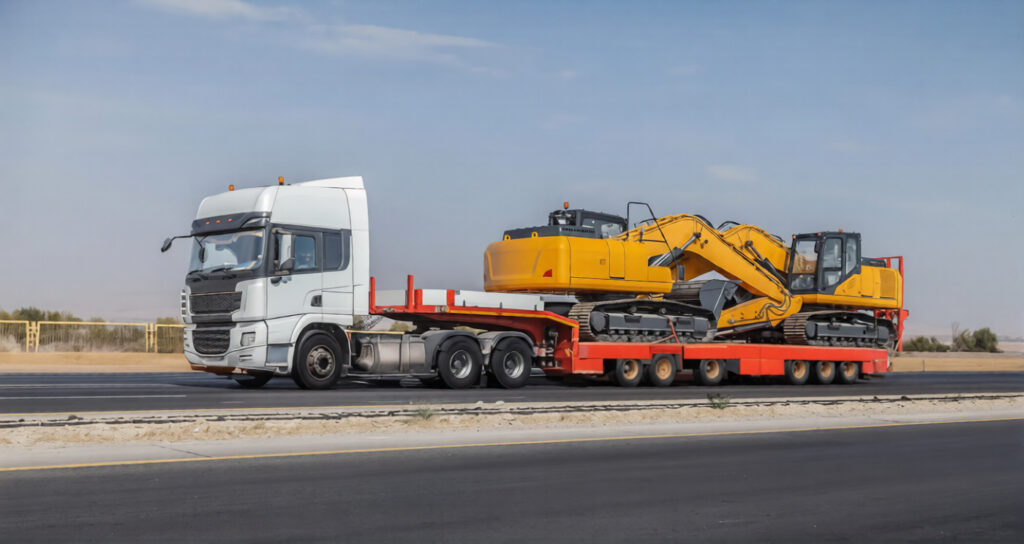
Heavy haul trucking refers to transporting loads that exceed standard legal size or weight limits. Think industrial equipment, massive structural components, or machinery that can’t fit on a typical flatbed without special permits and routing. These moves often require lowboy or multi-axle trailers, escort vehicles, route surveys, and coordination with state and local authorities.
What makes heavy haul trucking different isn’t just the size of the freight—it’s the planning. Each trip is closer to a project than a shipment: the carrier must calculate axle weight distribution, verify bridge ratings and overhead clearances, and time departures to avoid traffic bottlenecks. Whether it’s delivering machinery to a remote job site or coordinating oversized deliveries to a warehouse in New York, heavy haul trucking is specialized logistics built for freight that can’t be “standardized.”
Top 7 Industries That Depend on Heavy Haul Trucking
1. Construction
Construction projects across the U.S. rely on heavy haul trucking to move cranes, excavators, bulldozers, and pavers between job sites. The same trucks also carry oversized and bulk materials like steel, concrete, and gravel that can’t ship by standard freight. With construction driving steady demand in the U.S. heavy haul market, reliable deliveries are a daily necessity to keep schedules and labor costs under control.
2. Manufacturing
Manufacturers use heavy haul trucking to transport large-scale machinery, turbines, industrial presses, and finished equipment between facilities. It’s also essential for moving raw materials and oversized components that keep production lines running. Downtime is costly in manufacturing, so reliable heavy haul support ensures plant operations continue without interruption.
3. Energy
The energy sector uses heavy haul trucking for large and sensitive loads such as transformers, refinery equipment, generators, and wind turbine parts. These assets are too large for standard freight, and their delivery is often tied to strict timelines. Whether supporting traditional infrastructure or renewable projects, heavy haul logistics plays a key role in building and maintaining power systems across the country.
4. Mining
Mining relies on heavy haul trucking to move oversized equipment like draglines, haul trucks, and crushers to and from remote sites. These operations require transport that can handle rough terrain and long distances. In 2024, growth in infrastructure, increased mining output, and renewable energy investments have further driven demand for heavy haul services to keep production moving.
5. Agriculture
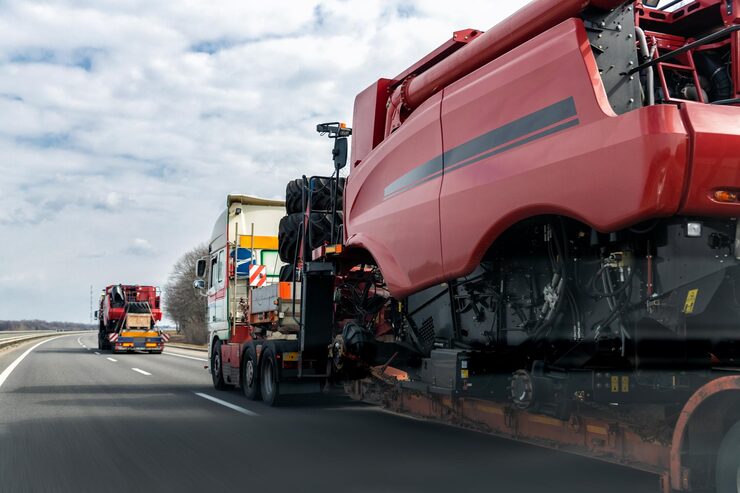
Heavy haul trucking supports agriculture by transporting combines, tractors, irrigation rigs, and other oversized farm machinery during planting and harvest seasons. It also moves bulk commodities like grain and feed between large farms and processors. Timing is critical in agriculture, and this type of logistics ensures crops and equipment arrive when and where they’re needed most.
6. Retail
Retailers count on heavy haul trucking for store build-outs, large display systems, and high-volume inventory transfers during peak seasons. A warehouse in New York, for example, may receive oversized racking or refrigeration units that require specialized trailers and scheduling. This behind-the-scenes support keeps supply chains flexible and stores stocked during major product shifts.
7. Infrastructure Development
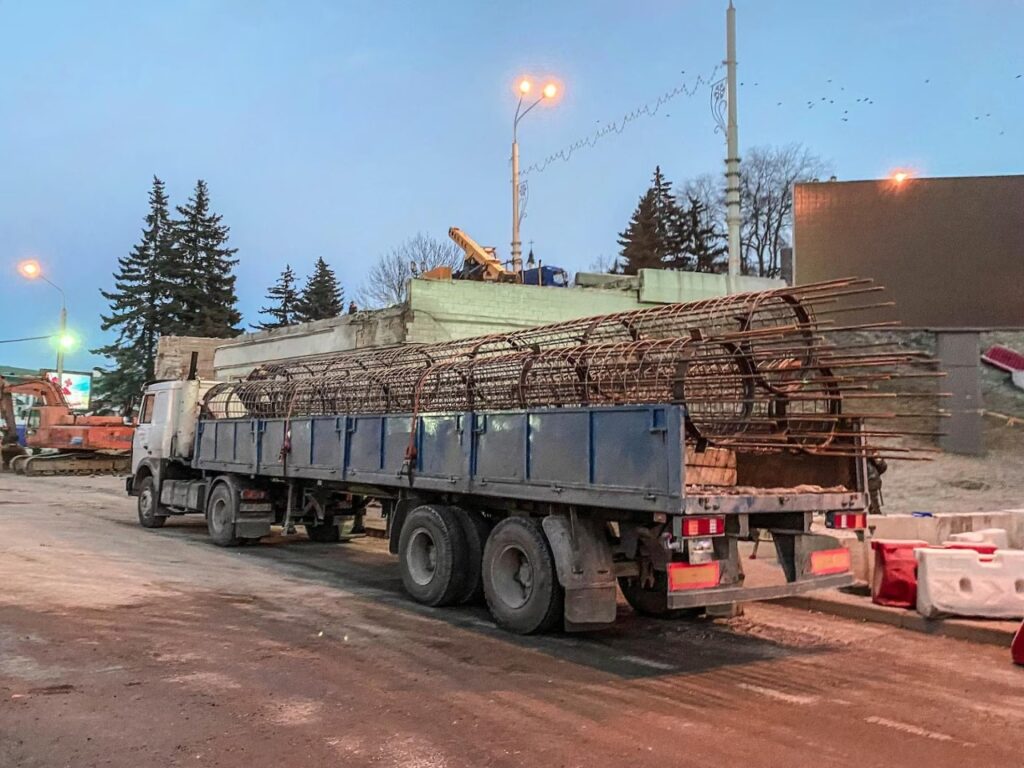
Public infrastructure projects—including bridge construction, port expansion, and railway upgrades—depend on heavy haul trucking to deliver oversized machinery and materials. These loads often include tunnel boring machines, precast beams, and cranes that require route surveys and permit coordination. Because these jobs run on strict timelines and limited access windows, heavy haul support is critical to meeting project milestones without delay.
What Are the Primary Functions of Logistics?
Logistics exists to move products and materials reliably from origin to destination while controlling cost, time, and risk. Its primary functions include transportation, warehousing, inventory planning, order fulfillment, route optimization, and compliance management.
Heavy haul trucking fits squarely into those functions as the solution for freight that can’t travel through normal channels. Whether it’s delivering machinery to a remote job site or receiving oversized goods at a warehouse in New York, heavy haul expands what transportation logistics can handle—ensuring even the largest cargo keeps flowing through the supply chain instead of becoming a scheduling dead end.
Frequently Asked Questions
How is a heavy haul load classified?
Classification usually depends on weight, dimensions, and how far the freight exceeds legal limits. Each state may define thresholds differently. Carriers confirm classification before pulling permits.
What kinds of trailers are used for oversized freight?
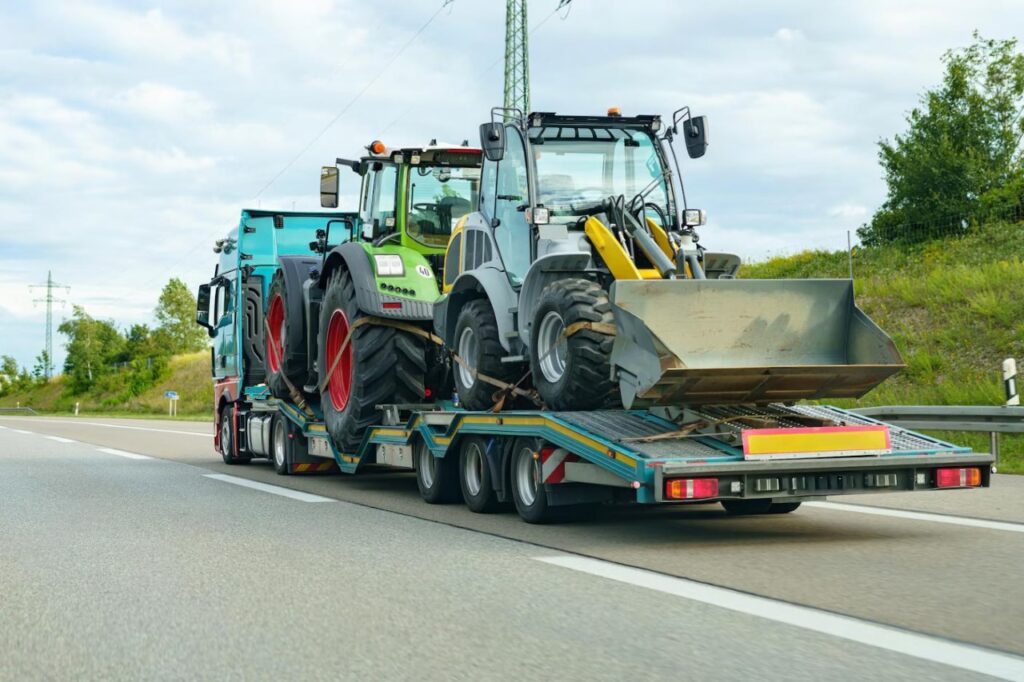
Trailer choice depends on height, length, and axle requirements. Common options include lowboys, step decks, and multi-axle platforms. The trailer is selected to keep the load stable and compliant.
Do heavy haul shipments always need permits?
Most oversized or overweight moves require permits somewhere along the route. The exact permits depend on state rules and load specs. Carriers typically handle the paperwork as part of the service.
How far in advance should a heavy haul move be scheduled?
Scheduling is easier when planned early, especially for complex loads. Some moves require route surveys and multiple approvals. Rushed timelines can limit route options and raise cost.
What impacts pricing for heavy haul transport?
Cost typically reflects distance, load complexity, equipment needs, and permit requirements. Difficult routes or tight delivery windows can add fees. Quotes are usually customized per move.
Get Fast, Reliable Heavy Haul Logistics Support in New York, NY!
Heavy haul moves demand precise staging, safe storage, and dependable dispatch, and 3PL Warehouse By Best provides that end-to-end support for projects operating in New York, NY. From receiving oversized freight to coordinating secure holding space and time-sensitive outbound scheduling, 3PL Warehouse By Best helps keep equipment and materials flowing without costly delays across New York, NY.
For heavy haul shipments that need a trusted logistics partner in New York, NY, connect with 3PL Warehouse By Best today to request a quote and book capacity now!